
Understanding Clean Eating in Everyday Life
Clean eating is one of those phrases that sounds simple at first, but the more you hear it, the more confusing it can become. For some people, it means eating only organic food. For others, it means giving up sugar, bread, dairy, snacks, or anything that comes in a packet. But at its heart, clean eating is much less strict than that. It is really about choosing foods that are closer to their natural state and building meals that make the body feel steady, satisfied, and nourished.
The idea is not to chase perfection. Real life includes busy mornings, family meals, cravings, celebrations, and days when cooking feels like too much work. Clean eating works best when it fits into that real life instead of fighting against it. It is not a diet with harsh rules. It is more of a gentle shift in how you look at food.
Instead of asking, “What should I remove?” clean eating asks, “What can I add that helps me feel better?” That small change in thinking can make the whole approach feel more human.
What Clean Eating Really Means
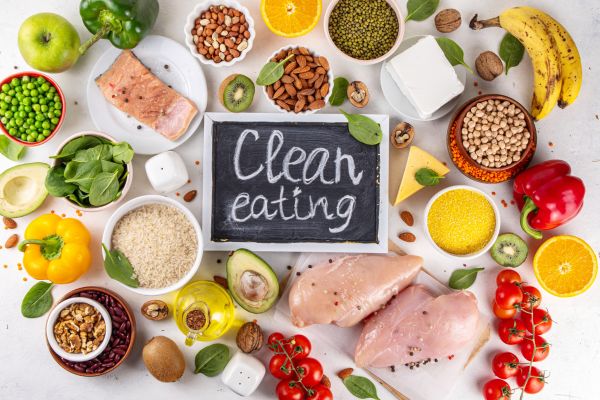
Clean eating usually focuses on whole foods. These are foods that are not heavily processed or changed too much from their original form. Fresh fruits, vegetables, whole grains, beans, lentils, nuts, seeds, eggs, fish, lean meats, yogurt, and simple home-cooked meals all fit naturally into this way of eating.
It does not mean every meal has to look like a perfect health magazine photo. A bowl of rice with lentils and salad can be clean eating. So can oatmeal with fruit, grilled chicken with vegetables, or a simple soup made at home. The goal is to eat food that gives the body useful nutrition instead of filling most meals with refined, overly processed options.
Processed food is not automatically bad, and clean eating does not require fear around food labels. Some packaged foods are practical and healthy, such as frozen vegetables, plain yogurt, canned beans, oats, or whole-grain bread. The bigger concern is relying too often on foods that are high in added sugar, refined flour, artificial flavoring, excess salt, and unhealthy fats while offering little real nourishment.
Clean eating is about balance, not panic.
Why People Are Drawn to Clean Eating
Many people become interested in clean eating because they feel tired, bloated, unfocused, or stuck in a cycle of quick snacks and irregular meals. Food affects energy in a very real way. A breakfast full of sugar may feel comforting for a short while, but it can leave you hungry again soon. A balanced meal with protein, fiber, and healthy fat usually keeps the body more stable.
Clean eating can also make meals feel more intentional. When you cook more often, choose fresh ingredients, and pay attention to what is on your plate, eating becomes less automatic. You begin to notice what actually satisfies you and what only fills a gap for a few minutes.
There is also something calming about simple food. A plate with vegetables, grains, protein, and a little healthy fat does not need to be complicated. It just needs to be enough.
Starting With Small Changes
The easiest way to begin clean eating is to avoid changing everything at once. A sudden overhaul can feel exciting for three days and exhausting by the fourth. Small changes are more likely to last.
Breakfast is often a good place to start. If mornings usually involve sugary cereal, biscuits, or skipping food completely, try something more filling. Eggs with whole-grain toast, yogurt with fruit, oats, or a smoothie with simple ingredients can make a noticeable difference. The point is not to create a perfect breakfast. It is to give your body a better start.
Another helpful step is adding vegetables to meals you already eat. You do not need to replace your favorite dishes immediately. Add cucumber and tomatoes beside lunch. Stir spinach into eggs. Add carrots, peas, or capsicum to rice. Keep salad ready in the fridge. These little additions slowly change the quality of your meals without making food feel unfamiliar.
Drinking more water is another simple beginning. Sometimes people reach for snacks when they are actually thirsty or tired. Water will not solve everything, of course, but it supports digestion, energy, and appetite awareness.
Building a Clean Eating Plate
A clean eating plate does not need complicated rules. Most balanced meals include a source of protein, some fiber-rich carbohydrates, vegetables or fruit, and a small amount of healthy fat.
Protein helps with fullness and muscle repair. It can come from eggs, chicken, fish, lentils, beans, tofu, yogurt, cottage cheese, or lean meat. Fiber-rich carbohydrates give energy and support digestion. Whole grains, potatoes, sweet potatoes, oats, brown rice, whole-wheat bread, fruits, and legumes can all work well.
Vegetables bring color, texture, and vitamins to the plate. They also make meals feel more complete. Healthy fats, such as olive oil, avocado, nuts, seeds, or natural nut butter, add flavor and help the body absorb certain nutrients.
When meals include these elements, cravings often become easier to manage. The body is less likely to keep asking for quick energy because it has already received something steady.
Reading Labels Without Obsessing
Clean eating often leads people to read food labels, which can be useful. But it can also become stressful if taken too far. The goal is not to inspect every ingredient with suspicion. It is simply to understand what you are buying.
A short ingredient list is usually easier to understand. Foods with recognizable ingredients often fit better into a clean eating lifestyle. For example, plain yogurt with milk and cultures is simpler than a flavored yogurt loaded with added sugar and artificial flavoring.
Added sugar is worth watching because it can hide in sauces, cereals, drinks, packaged snacks, and even foods that look healthy. Sodium can also be high in ready-made meals and processed foods. Still, there is no need to panic over every gram. Clean eating should make you feel more aware, not afraid.
Clean Eating Does Not Mean Giving Up Enjoyment
One of the biggest mistakes people make is turning clean eating into a punishment. They remove everything they enjoy, eat plain food for a while, and then feel guilty when they cannot keep going. That is not a healthy relationship with food.
Food is emotional, cultural, and social. Birthday cake, family recipes, tea with a small snack, a meal out with friends—these moments matter too. Clean eating should leave room for them. A mostly nourishing routine can include occasional treats without ruining anything.
In fact, allowing flexibility often makes clean eating more sustainable. When no food is treated like a disaster, there is less temptation to swing between strict control and overeating. You can enjoy something sweet, then return to your regular meals without drama.
Cooking More at Home
Home cooking is one of the most practical parts of clean eating. When you cook, you control the ingredients, portions, oils, and flavors. You do not need advanced skills. Simple meals are often the most useful.
A basic lentil soup, vegetable omelet, grilled chicken, homemade wrap, stir-fried vegetables, or rice bowl can be enough. Batch cooking also helps. Preparing cooked beans, chopped vegetables, boiled eggs, or roasted potatoes ahead of time makes healthy meals easier during busy days.
Clean eating becomes much simpler when good choices are already available. If the fridge is empty, fast food or packaged snacks become the easiest option. If there is cooked food ready, eating well feels less like effort.
Avoiding the Perfection Trap
The clean eating conversation can sometimes become too rigid. People may start judging foods as completely clean or completely bad. That kind of thinking can create guilt and stress, which is the opposite of what a healthy lifestyle should do.
A better approach is to think in patterns. What do most of your meals look like? Are you getting enough fruits and vegetables? Do you eat enough protein? Are you relying too much on sugary drinks or packaged snacks? These questions are more useful than worrying about one imperfect meal.
Progress is built through repetition, not perfection. One healthy lunch will not transform everything, and one takeout dinner will not ruin anything. What matters is the direction you return to most often.
Making Clean Eating Fit Your Budget
Clean eating does not have to be expensive. Some of the most nutritious foods are also simple and affordable. Lentils, beans, eggs, seasonal vegetables, oats, rice, potatoes, bananas, plain yogurt, and frozen produce can support a clean eating routine without stretching the budget too far.
Seasonal food is usually fresher and more affordable. Buying basic ingredients instead of expensive health products also keeps things realistic. You do not need rare powders, special bars, or imported snacks to eat well. A home-cooked meal made with ordinary ingredients can be just as nourishing.
The most useful clean eating habits are the ones you can repeat without feeling pressured.
Conclusion
Clean eating is not about becoming perfect, eating beautifully arranged meals, or following strict rules that make daily life harder. It is about choosing more whole foods, cooking a little more often, listening to your body, and building meals that support steady energy and long-term health.
The best way to start is gently. Add one better breakfast. Drink more water. Include vegetables with meals. Choose simpler ingredients. Cook when you can. Leave room for enjoyment. Over time, these small choices begin to shape a lifestyle that feels natural rather than forced.
Clean eating works best when it feels like care, not control. And when approached that way, it can become less of a trend and more of a quiet, lasting way to feel better in everyday life.