
A smaller appetite can make ordinary meals feel unexpectedly large. This may happen when you are unwell, under stress, getting older or taking medicines that reduce hunger, including prescribed GLP-1 weight-management treatments. Eating less can make it harder to get enough protein. The answer is choosing high protein foods for smaller appetite needs, so each mouthful delivers more useful nutrition.
Protein supports tissue growth and repair and helps maintain muscle mass. That matters during weight loss, when the aim is generally to reduce excess body fat while protecting strength and function. No ingredient is a magic muscle-preserving food, but adequate protein, sufficient overall nutrition and appropriate resistance exercise can all play a part.
Why protein deserves priority
When appetite falls, people often reach for easy foods such as toast, crackers, fruit or a little soup. These can still belong in a balanced diet, but may provide little protein unless something is added.
A practical approach is to choose the protein part first, then add vegetables, fruit, wholegrain carbohydrates or healthy fats according to your needs. NHS healthy-eating guidance includes beans, pulses, fish, eggs, meat and other protein foods, while dairy foods and suitable alternatives also contribute.
For appetite loss nutrition, frequency can matter as much as portion size. NHS small-appetite advice commonly recommends eating little and often instead of forcing three large meals. Several small eating opportunities may feel much more manageable.
High-protein foods that work in small portions
Greek-style yoghurt, skyr and cottage cheese
These are convenient protein small portions because they require little preparation and are easy to eat slowly. A small pot of Greek-style yoghurt may provide around 11g of protein, while 150g of skyr can provide about 16g. Around 100g of cottage cheese may offer roughly 11g. Amounts vary by product, so check the label.
Add berries, soft fruit, oats, seeds or a spoonful of nut butter if you want more texture and energy. If you are unintentionally losing weight, a dietitian may recommend higher-energy versions or food fortification.
Eggs and cheese
A medium egg provides roughly 7g of protein and works in a small omelette, scrambled egg or a simple snack. A modest slice of cheddar can provide about 6g to 7g. Grating cheese into mashed potato, soup or eggs boosts protein without adding much volume. Because many cheeses are high in saturated fat and salt, sensible portions still matter when weight loss is the goal.
Fish, chicken and lean meat
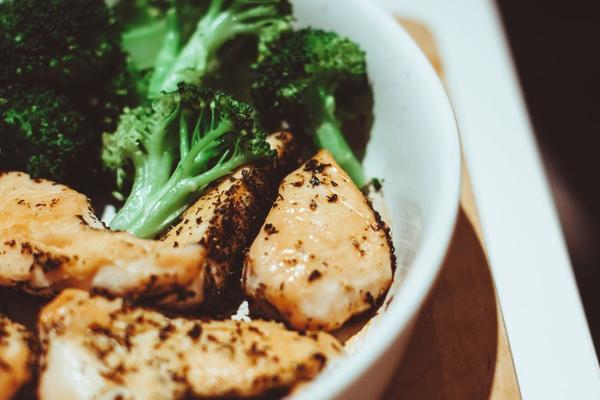
Animal proteins are concentrated, so a relatively small serving can contribute a meaningful amount. A salmon fillet of about 96g may provide around 21g of protein, while 100g of turkey breast may provide about 25g. Tuna, prawns, chicken and lean mince are other useful choices.
Choose moist, easy textures. Flaked fish mixed with yoghurt, a small chicken wrap or lean mince in a sauce may feel easier than a dry piece of meat. NHS guidance recommends limiting red and processed meat and, for people who eat fish, having two portions weekly, including one oily-fish portion.
Tofu, soya, beans and lentils
Plant proteins can fit well into a small-appetite routine. Around 70g of tofu may provide about 9g of protein, while 200ml of soya drink can provide roughly 7g. Edamame and fortified soya yoghurt are useful alternatives.
Beans, chickpeas and lentils provide protein and fibre, although a large portion can feel very filling. Start with a few spoonfuls in soup, curry or a smooth dip. You can also mix lentils with lean mince or tofu to improve variety.
Nuts, seeds and nut butter
A small handful of peanuts can provide around 9g of protein, while a tablespoon of peanut butter adds roughly 4g. These foods are energy-dense, which may be helpful when someone is unintentionally losing weight. Add them to porridge, yoghurt, toast or smoothies. Use smooth nut butter or finely ground nuts if chewing is difficult, and always consider allergies.
Make every mouthful work harder
Instead of increasing meal size, increase protein density. Stir skimmed milk powder into milk, porridge, yoghurt, soup or sauce. Add grated cheese to eggs or vegetables. Blend Greek yoghurt or silken tofu into a smoothie. Top a cracker with cottage cheese, tuna or peanut butter. Small additions can turn a light snack into something more nourishing.
Avoid drinking a large amount immediately before eating if it makes you feel full. Sip fluids between meals where practical. A milky drink or smoothie can help, but it should not automatically replace balanced food. People taking GLP-1 medicines should follow their prescriber’s advice, particularly if nausea, vomiting, dehydration or persistent difficulty eating develops.
Build a simple protein rhythm
Trying to catch up with one large evening meal is often uncomfortable. Spread protein through the day instead. Breakfast might be yoghurt or an egg. Lunch could be half a tuna sandwich or lentil soup with added yoghurt. A snack might be milk, skyr or crackers with cheese. Dinner can include a modest serving of fish, chicken, tofu or beans.
You do not need to calculate every gram unless a clinician has set a target. Needs vary with body size, age, activity and health. People with kidney or liver disease, swallowing problems or complex medical conditions should speak to their GP or a registered dietitian before substantially increasing protein.
Keep the rest of the diet balanced
Protein matters, but the body also needs fibre, vitamins, minerals, fluids and enough energy. Include fruit, vegetables and higher-fibre carbohydrates in portions you tolerate. If reduced appetite is causing unplanned weight loss, advice designed for calorie restriction may not be appropriate; preventing malnutrition becomes more important.
Contact a GP if you keep losing weight without trying, your appetite remains poor, or eating is difficult because of pain, nausea, swallowing problems or low mood. A healthcare professional can investigate the cause and arrange dietetic support.
Frequently asked questions
What is the best high-protein food for a very small appetite?
There is no single best option, but skyr, Greek-style yoghurt, eggs, cottage cheese, fish and tofu provide useful protein without requiring a large serving. Choose something you tolerate and enjoy.
Should I eat protein first when taking a GLP-1 medicine?
Starting with the protein component can be a practical way to prioritise nutrition when fullness arrives quickly. Your overall diet should remain balanced, and advice from your prescribing team takes priority.
Are protein shakes necessary?
Usually not. Many people can meet their needs through food, which supplies other nutrients too. Shakes may be convenient, but products vary. Oral nutritional supplements are best used on professional advice when ordinary food is not enough.
How often should I eat with a smaller appetite?
Small meals and nourishing snacks every few hours are often easier than three large meals. Include a protein source several times across the day rather than relying on one large portion.
Conclusion
High protein foods for smaller appetite needs do not have to be complicated. Skyr, eggs, cottage cheese, flaked fish, tofu, milk and nut butter can add meaningful nutrition in manageable amounts. Prioritise protein, eat little and often, keep the wider diet varied, and seek medical advice when appetite loss or unintentional weight loss continues.