
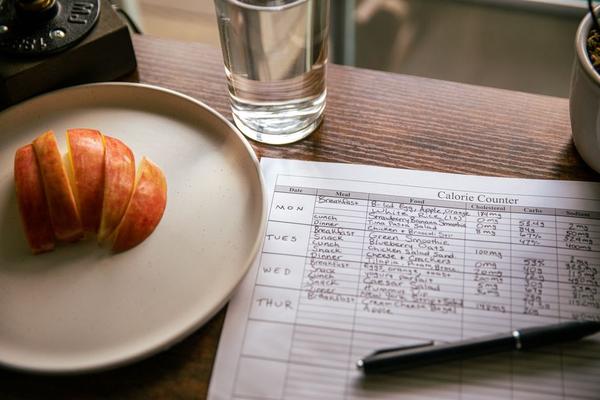
Counting calories tells you how much energy you eat. Counting macros goes one step further by showing where that energy comes from. Protein, carbohydrates and fat play different roles, so macro tracking can help you build balanced meals rather than simply chasing the lowest calorie number.
There is no perfect protein, carbs and fat ratio for everyone. Your needs depend on body size, activity, goals, health and food preferences. The best beginner plan is a simple starting point you can follow, review and adjust without turning every meal into a maths test.
What Are Macros?
“Macros” is short for macronutrients: protein, carbohydrate and fat. Protein supports the growth and repair of body tissues. Carbohydrates are the body’s main readily available energy source. Fat provides energy, supports cell function and helps the body absorb certain vitamins.
For simple tracking, protein and carbohydrate are usually counted as roughly 4 calories per gram, while fat provides about 9 calories per gram. Official UK nutrition calculations may use a slightly different carbohydrate factor, so labels and app totals can occasionally differ by a few calories.
How to Count Macros for Beginners
Step 1: Decide What You Want Tracking to Do
You may want to understand your eating habits, support weight management, improve meal balance or fuel regular training. Your goal affects how closely you need to track and how often you should review your numbers.
If weight change is your aim, calories still matter. The NHS uses 2,000 calories for women and 2,500 for men as broad average daily reference figures, but individual needs vary. Age, size, activity and current weight trend all affect the amount you actually need, so treat online calculators as estimates rather than precise instructions.
Step 2: Set a Sensible Protein Target
Protein is often the easiest macro to set first. The UK reference intake for a generally healthy adult is around 0.75 grams per kilogram of body weight per day. This is a population reference, not a personalised sports target, and needs may differ with age, training, pregnancy, illness or recovery.
For example, a 70-kilogram adult would reach the basic reference at roughly 52.5 grams a day. Spread protein foods across meals using options such as beans, lentils, eggs, fish, lean meat, dairy, tofu or other soya products.
Step 3: Divide the Remaining Energy
Once protein is set, divide the remaining energy between carbohydrates and fat in a way that suits your routine. There is no universal protein carbs fat ratio every beginner must follow. Someone doing endurance exercise may prefer more carbohydrate, while another person may naturally eat more fat from nuts, seeds, avocado and olive oil.
Keep the wider diet in view. UK Eatwell guidance recommends higher-fibre starchy carbohydrates, at least five portions of varied fruit and vegetables, some protein foods, and unsaturated oils and spreads in small amounts. A macro target should support those habits, not replace them.
Step 4: Convert Calories Into Grams
Protein grams multiplied by 4 gives protein calories. Carbohydrate grams multiplied by 4 gives carbohydrate calories. Fat grams multiplied by 9 gives fat calories.
Imagine an illustrative 2,000-calorie plan with 90 grams of protein and 65 grams of fat. Protein supplies about 360 calories and fat about 585. That leaves roughly 1,055 calories for carbohydrate, or about 264 grams. This is only a worked example, not a recommended target.
Step 5: Track What You Actually Eat
Use an app, spreadsheet or notebook and record meals as you eat them. Check serving sizes carefully because labels may show values per 100 grams, per portion or both.
A kitchen scale can improve accuracy for foods that are easy to underestimate, including cereal, rice, pasta, cheese, oils, nut butter and snacks. You do not need to weigh every ingredient forever. Measure regularly at first so you learn what your usual portions look like.
Step 6: Plan Meals, Not Just Numbers
Flexible dieting works best when most choices are nutritious, filling and enjoyable. Build each main meal around a protein source, add vegetables or fruit, include a higher-fibre carbohydrate, and use an appropriate amount of fat. Less nutrient-dense foods can still fit without being labelled “bad”.
Planning one or two meals ahead also reduces end-of-day surprises. A quick look at your planned day helps you spread protein and other macros more comfortably.
Step 7: Review and Adjust Gradually
Do not change targets because of one unusual day. Review one to three weeks of consistency, hunger, energy, training performance and weight trend if relevant. Then make a small adjustment rather than rewriting the whole plan.
Macro tracking should make eating clearer, not more stressful. If logging causes anxiety, guilt, obsessive checking or restriction, step back and speak with a GP, registered dietitian or eating-disorder professional. Anyone with a medical condition, specialist diet or history of an eating disorder should seek personalised advice first.
Common Beginner Mistakes
A common mistake is focusing on macros while ignoring fibre, vitamins, minerals and food quality. Two days can have similar totals but very different nutritional value. Other errors include copying a ratio from social media, forgetting drinks and cooking oils, or treating an estimated target as an exact rule.
Perfection is not required. Being close to your targets most days is more useful than hitting every gram exactly and feeling unable to eat socially. Consistency, variety and a balanced overall pattern matter more than a flawless app screen.
Frequently Asked Questions
Do I Need to Count Calories and Macros?
Macros already add up to calories, so the two are connected. Tracking both can help you understand energy intake and meal balance, but you do not have to monitor them forever.
What Is the Best Macro Ratio for Beginners?
There is no single best ratio. Start with estimated calorie needs, set an appropriate protein amount, then divide the remaining energy between carbohydrates and fat according to your health, activity and preferences.
Can I Count Macros Without a Food Scale?
Yes, although estimates will be less precise. Labels, household measures and repeat meals can still be useful. A scale is most helpful during the learning stage and for calorie-dense foods.
How Long Should I Track Macros?
Track long enough to identify patterns and build confidence. That may be a few weeks or several months. Once you can assemble balanced meals and judge portions reliably, lighter tracking or occasional check-ins may be enough.
Conclusion
Learning how to count macros for beginners is about understanding the numbers, choosing a realistic starting point and seeing how it fits your life. Set protein first, calculate carbohydrate and fat, log portions honestly and keep Eatwell principles in the background. A flexible, balanced approach is more sustainable than chasing a perfect ratio, and the most useful plan is one you can follow without losing sight of health and enjoyment.