
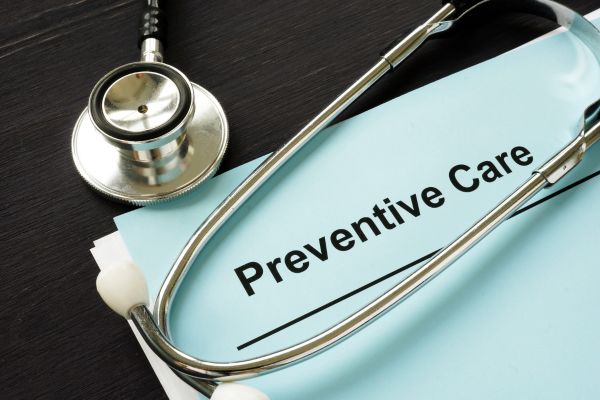
Living longer has always been a human hope, but today the conversation is shifting. People no longer want extra years if those years are filled with constant discomfort, low energy, and avoidable illness. The real goal is to live longer while staying active, clear-minded, independent, and emotionally balanced. This is where preventive medicine becomes so important.
Preventive Medicine Supports Active Longevity by focusing on health before serious problems develop. Instead of waiting for disease to appear and then reacting to it, preventive care looks at the body early, carefully, and regularly. It helps people understand their risks, improve daily habits, manage small warning signs, and protect long-term wellbeing. In many ways, it changes the entire meaning of healthcare from “treating sickness” to “preserving quality of life.”
Understanding Active Longevity
Active longevity is not simply about reaching an impressive age. It is about remaining physically capable, mentally present, socially connected, and emotionally steady as the years pass. A person who enjoys active longevity can move with confidence, take part in daily routines, continue meaningful relationships, and feel a sense of purpose.
This kind of aging does not happen by chance. Genetics play a role, of course, but lifestyle, environment, medical monitoring, stress levels, nutrition, sleep, and emotional health all shape how the body ages. Some people begin to feel old before their time because small health issues are ignored for years. Others stay energetic much longer because they pay attention to prevention early.
Active longevity asks a simple but powerful question: how can the body be supported before decline becomes difficult to reverse?
Why Prevention Matters More Than Reaction
Traditional healthcare often enters the picture when something is already wrong. A person feels pain, notices fatigue, develops high blood pressure, or receives a diagnosis. Treatment is then used to manage the condition. This approach is necessary, but it can be limited when used alone.
Preventive medicine works differently. It looks for early patterns and risk factors before they become major health concerns. For example, slightly elevated blood sugar, poor sleep, chronic stress, low vitamin levels, rising cholesterol, or reduced physical activity may not feel urgent at first. Yet over time, these small issues can affect the heart, brain, metabolism, joints, and immune system.
By identifying these changes early, preventive care gives people more control. A small lifestyle adjustment today may prevent a serious condition years later. That is the quiet strength of prevention. It often works in the background, but its effect on long-term quality of life can be significant.
The Role of Regular Health Checkups
One of the most practical ways preventive medicine supports active longevity is through regular checkups and screenings. Many health conditions develop silently. High blood pressure, type 2 diabetes, thyroid imbalance, liver issues, kidney concerns, and some cancers may not show obvious symptoms in the beginning.
Routine testing helps reveal what the body is doing beneath the surface. Blood work, blood pressure checks, cholesterol testing, weight and body composition tracking, age-appropriate screenings, and discussions about family history all help create a clearer picture of health.
The goal is not to make people anxious about every number. Rather, it is to give them useful information. When someone understands their health trends, they can take action with more confidence. It is much easier to improve a slightly rising cholesterol level than to recover from a heart event later. It is easier to address early insulin resistance than to manage advanced diabetes.
Prevention gives time, and time is one of the most valuable tools in health.
Lifestyle as a Long-Term Medicine
Preventive medicine is not only about tests and appointments. It also pays close attention to the way people live every day. Food choices, movement, sleep, hydration, sunlight, stress management, and social connection all influence how well the body ages.
Nutrition is especially important. A balanced diet rich in whole foods, vegetables, fruits, lean proteins, healthy fats, and fiber can support the heart, digestion, immune function, and energy levels. It can also reduce inflammation, which is often linked with age-related health problems.
Movement matters just as much. The body is designed to move, and regular physical activity helps maintain muscle strength, joint flexibility, balance, circulation, and mood. This does not always mean intense gym routines. Walking, stretching, swimming, cycling, gardening, or simple strength exercises can all support active longevity when practiced consistently.
Sleep is another major pillar. Poor sleep affects hormones, appetite, memory, mood, immunity, and repair processes. Many people accept tiredness as normal, but preventive care treats sleep as a serious part of health, not a luxury.
Together, these habits become a kind of daily medicine. They may seem ordinary, but they shape the future body in powerful ways.
Protecting the Brain and Mental Wellbeing
A longer life should also be a mentally rich life. Preventive medicine includes attention to brain health, emotional balance, and cognitive function. Memory, focus, mood, and resilience are deeply connected to overall health.
Chronic stress, loneliness, poor sleep, inactivity, and unmanaged health conditions can all affect the brain over time. Preventive care encourages people to notice emotional strain before it turns into burnout, anxiety, or depression. It also supports habits that keep the brain active, such as learning, reading, problem-solving, social interaction, and creative activities.
Mental wellbeing is sometimes treated as separate from physical health, but in real life they are closely connected. A stressed mind can affect digestion, blood pressure, immunity, and sleep. A tired or unhealthy body can affect motivation, mood, and confidence. Active longevity depends on both.
Strengthening Immunity and Resilience
Aging well also means helping the body stay resilient. Resilience is the ability to recover, adapt, and remain steady when life brings illness, stress, or physical strain. Preventive medicine supports this through vaccination when appropriate, good nutrition, regular activity, adequate rest, and early management of chronic conditions.
The immune system does not work in isolation. It is influenced by gut health, sleep quality, stress hormones, physical fitness, and nutritional status. When these areas are supported, the body is often better prepared to handle challenges.
This does not mean a person will never get sick. It means the body may have a stronger foundation. In older age, that foundation can make a meaningful difference in recovery and independence.
Personalization Makes Prevention More Effective
Not everyone ages in the same way. Two people of the same age may have completely different risks, lifestyles, family histories, and health goals. That is why preventive medicine is most effective when it is personal.
A person with a family history of heart disease may need closer attention to cholesterol, blood pressure, and inflammation. Someone with a sedentary job may need a plan for movement and posture. A person under chronic stress may need support with sleep, nervous system regulation, and emotional health. Another person may need guidance around weight, hormones, bone density, or nutrition.
Personalized prevention respects the fact that health is not one-size-fits-all. It looks at the whole person, not just one symptom or one test result. This approach can feel more realistic because it fits into actual life rather than expecting people to follow a perfect routine.
Better Quality of Life Through Early Choices
The greatest benefit of preventive medicine may be that it protects the small freedoms people often take for granted. Being able to walk comfortably, climb stairs, travel, cook, work, play with grandchildren, enjoy hobbies, and make independent choices are all parts of quality of life.
When health declines, these freedoms can slowly shrink. Preventive care helps protect them by reducing avoidable risks and encouraging steady maintenance. It is similar to caring for a home or a car before something breaks. Regular attention may not seem dramatic, but it prevents larger problems from taking over.
This is why Preventive Medicine Supports Active Longevity in such a practical way. It is not only about adding years to life. It is about helping those years feel more open, capable, and enjoyable.
Prevention at Every Age
Many people think preventive medicine is mainly for older adults, but prevention is valuable at every stage of life. In younger years, it builds strong habits and helps identify early risks. In middle age, it becomes especially important because small health patterns often begin to show. In later years, it helps preserve function, independence, and comfort.
It is never too early to begin, and it is rarely too late to improve something. Even modest changes can matter. A person who starts walking regularly, improves sleep, manages stress, or attends routine checkups may notice better energy and confidence within months. Over years, those choices can shape aging in a deeper way.
The key is consistency, not perfection. Preventive medicine works best when it becomes part of normal life rather than a short-term project.
A More Thoughtful Way to Age
Modern life often pushes people to ignore their bodies until something goes wrong. Busy schedules, financial pressure, family responsibilities, and constant digital noise can make health feel like something to deal with later. But aging does not wait for the perfect moment.
Preventive medicine invites a more thoughtful relationship with the body. It encourages people to listen earlier, act sooner, and take small signs seriously without fear. It also reminds us that health is not just the absence of disease. It is energy, movement, clarity, rest, connection, and the ability to live with purpose.
Clinics such as https://revita-clinic.eu/ focus on preventive medicine, personalized health programs, diagnostics, therapeutic nutrition, and lifestyle-based support for people who want to maintain energy and wellbeing as they age.
Conclusion
Preventive medicine offers a wiser, more proactive path toward aging. By focusing on early detection, healthy routines, regular monitoring, emotional wellbeing, and personalized care, it helps people protect not only their lifespan but also their daily quality of life.
Active longevity is not about chasing youth forever. It is about supporting the body and mind so that each stage of life can be lived with strength, dignity, and involvement. When people make prevention part of their regular health journey, they give themselves a better chance to stay active, independent, and fulfilled for longer. That is the real value of a life lived not just longer, but better.