
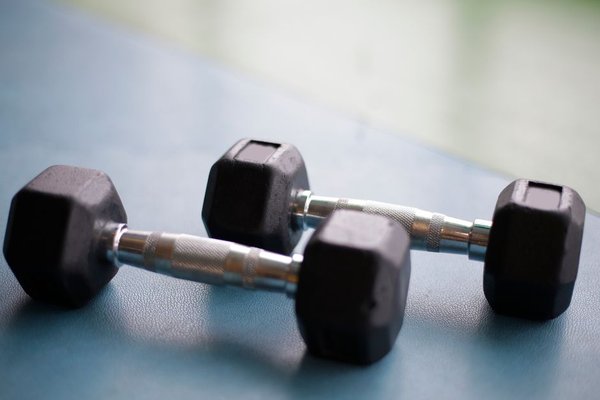
A dumbbell workout at home does not need a weight bench, complicated equipment, or a spare room. With a clear patch of floor and one manageable pair of weights, beginners can train their legs, hips, back, chest, shoulders, and core in one session. The trick is choosing movements that do different jobs rather than collecting dozens of exercises.
This full body dumbbell routine is designed to be repeated, not rushed. Start with controlled repetitions, learn each movement, and give yourself room to improve.
Set up before you lift
Choose weights you can control for roughly 8–12 repetitions without swinging or losing your posture. The final few repetitions should feel challenging but still tidy. One pair may feel appropriate for squats and rows yet too heavy for shoulder presses. That is normal; use one dumbbell, fewer repetitions, or no weight when necessary.
Clear enough space to step backward and lie on the floor. Wear stable shoes and warm up for five minutes with easy marching, arm circles, bodyweight squats, and slow hip hinges. Anyone managing an injury or medical condition may need an individualized plan from a qualified professional.
Your beginner home dumbbell workout
Perform these seven movements in order. Begin with one set of each during your first session. Build toward two sets as technique and recovery allow. Rest about 60–90 seconds between sets, longer if needed. Control both the lifting and lowering phases rather than racing the clock.
1. Goblet squat: 8–12 repetitions
Hold one dumbbell vertically at your chest, feet about shoulder-width apart. Sit down and slightly back between your hips while keeping your heels grounded, then stand tall. Go only as low as you can without losing balance or rounding your back. A sturdy chair behind you offers a helpful depth target; lightly touch it rather than dropping onto the seat.
2. Dumbbell Romanian deadlift: 8–12 repetitions
Hold the weights in front of your thighs, soften your knees, and push your hips backward. Let the dumbbells travel close to your legs as your torso tips forward. Stop when you feel a comfortable stretch in the backs of your thighs, then stand tall. The movement comes from your hips, not from trying to touch the floor.
If the hinge feels unfamiliar, rehearse without weights first. A hip hinge form guide can help distinguish this exercise from a squat.
3. Dumbbell floor press: 8–12 repetitions
Lie on your back with knees bent and feet planted. Hold the dumbbells above your chest with palms angled slightly inward. Lower until your upper arms gently touch the floor, then press upward. Keep wrists above forearms and avoid flaring elbows directly outward. The floor limits elbow travel, making this a practical chest exercise without a bench.
4. Bent-over dumbbell row: 8–12 repetitions
With knees slightly bent, hinge forward and let the weights hang beneath your shoulders. Draw your elbows toward your hips, pause, then lower with control. Keep your torso steady rather than jerking upright to lift heavier weights. If the position tires your lower back, row one arm at a time with your free hand supported on a sturdy surface.
5. Reverse lunge: 6–10 repetitions per leg
Stand upright and step one foot backward, bending both knees as far as feels comfortable. Push through the front foot to return to standing. Begin without weights if balance is difficult, or hold one dumbbell at your chest. Use a wall lightly for support. A smaller step is fine while you learn.
6. Standing overhead press: 6–10 repetitions
Start with dumbbells near shoulder height, palms facing slightly inward. Brace your abdomen and press upward without leaning backward. Lower steadily. Shoulder strength often lags behind leg strength, so pressing one lighter dumbbell at a time is sensible. If overhead pressing causes pain, skip it and seek guidance rather than forcing the movement.
7. Suitcase march: 20–40 seconds per side
Hold one dumbbell beside your thigh and stand tall. Slowly march in place while keeping shoulders level and torso upright. Switch hands after the interval. This simple finish asks your core to resist tipping sideways. Start by standing still with the weight if marching makes you wobble.
How to fit the routine into a week
Try this beginner weights workout on Monday and Thursday, or any two nonconsecutive days. One set per exercise may take around 20 minutes with a warm-up; two sets and generous rest take longer. The Centers for Disease Control and Prevention recommends muscle-strengthening work for all major muscle groups at least twice weekly. Walking, cycling, or another enjoyable aerobic activity can complement these sessions.
On other days, you do not need to chase soreness. A walk and normal movement are enough while muscles adapt. If weights feel intimidating, a beginner bodyweight workout offers a useful bridge.
Progress without buying heavier weights immediately
Record the weight, sets, repetitions, and any exercise that felt unstable. For example, if you manage eight controlled goblet squats in week one, aim for nine or ten at the same weight in a later session. Once you can complete twelve clean repetitions across your planned sets, consider a modest weight increase if available.
With only one pair, progress can mean lowering more slowly, improving balance, or adding a second set. Avoid making every session harder in several ways at once. The goal is gradual improvement, not exhaustion.
Stop if sharp pain, dizziness, or unusual breathlessness occurs. Muscle effort is expected; joint pain is not a requirement. Finish with a few minutes of easy walking or gentle movement. A post-workout mobility routine can help you unwind afterward.
Frequently asked questions
Can beginners build strength with only dumbbells?
Yes. Consistent resistance training can improve strength, especially when the exercises challenge major muscle groups and become gradually more demanding. A gym membership is not required to begin.
How heavy should my first dumbbells be?
There is no universal starting weight. Choose a load that allows controlled repetitions with a few more good repetitions still possible. Lighter weights may be needed for presses than squats.
Is a full-body dumbbell routine better than training every day?
For many beginners, two or three well-spaced full-body sessions are easier to sustain and recover from than daily hard lifting. Recovery gives muscles time to adapt.
What if I cannot finish every exercise?
Complete fewer sets, reduce repetitions, or use an easier variation. You can also divide the routine into two shorter sessions. Consistency with good form beats forcing a workout when tired.
A simple routine you can return to
The best home dumbbell workout is one you can repeat with confidence. These seven dumbbell exercises cover major movement patterns without unnecessary complexity. Begin conservatively, pay attention to technique, and let small improvements accumulate. A clear floor, a workable pair of weights, and two reliable sessions each week are a solid starting point.