
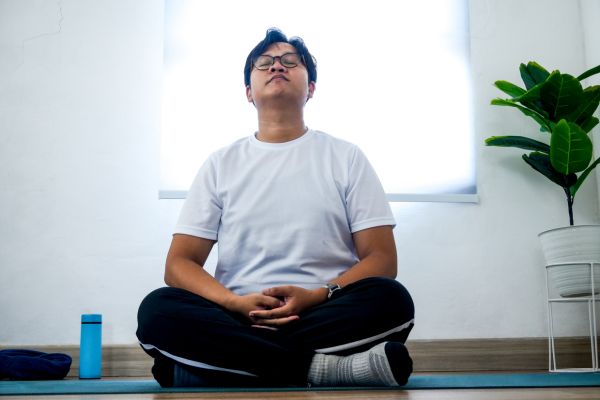
There’s something quietly powerful about paying attention. Not in a forced, hyper-focused way, but in a gentle, deliberate sense of noticing what’s already happening—your breath, your thoughts, the rhythm of your day. That’s where creating a mindfulness habit begins.
In a world that constantly pulls attention in a hundred directions, mindfulness offers a way back to center. It’s not about escaping reality or becoming perfectly calm. It’s about learning to stay present, even when things feel messy, uncertain, or overwhelming. And like any meaningful shift, it starts with small, consistent steps.
Understanding what mindfulness really means
Mindfulness is often misunderstood as something reserved for meditation experts or people with lots of free time. In truth, it’s much simpler—and more accessible—than that.
At its core, mindfulness is the practice of being fully present in the moment without judgment. That means noticing your thoughts without getting tangled in them, feeling your emotions without trying to push them away, and engaging with your surroundings with a sense of curiosity rather than distraction.
Creating a mindfulness habit doesn’t require you to change your life overnight. It asks only that you begin to pay attention, one moment at a time.
Why creating a mindfulness habit matters for mental health
Mental health is shaped not just by big events, but by the small, repeated patterns of how we think and respond. When the mind is constantly racing ahead or stuck replaying the past, stress tends to build quietly in the background.
Creating a mindfulness habit interrupts that cycle. It creates space—space between thoughts, between reactions, between what happens and how you respond to it.
Over time, this space becomes incredibly valuable. It allows you to notice stress before it escalates, to respond to difficult emotions with more clarity, and to develop a steadier sense of balance. People often describe it as feeling less “pulled around” by their own thoughts.
There’s no instant transformation, of course. But with consistency, mindfulness becomes less of an activity and more of a way of being.
Starting small without overwhelming yourself
One of the most common mistakes people make when creating a mindfulness habit is trying to do too much, too quickly. Long meditation sessions, strict routines, high expectations—it can all feel like a lot.
The truth is, mindfulness grows best in small, manageable pieces.
You might begin with just a few minutes a day. Sitting quietly and noticing your breath. Paying attention to the sensation of your feet on the ground. Listening to the sounds around you without labeling them.
These moments might seem insignificant at first. But they build something important: familiarity. The more often you return to the present moment, the more natural it begins to feel.
Anchoring mindfulness into everyday routines
One of the easiest ways to make mindfulness stick is to attach it to things you already do. This removes the pressure of finding extra time and turns ordinary moments into opportunities for awareness.
Morning routines, for example, offer a natural starting point. Instead of rushing through the first few minutes of your day, you might pause to notice your breathing or the feeling of water as you wash your face.
Eating is another powerful anchor. Rather than multitasking, you can slow down and actually experience your meal—the texture, the taste, the rhythm of each bite.
Even something as simple as walking can become part of creating a mindfulness habit. Paying attention to each step, the movement of your body, the environment around you—it shifts the experience entirely.
Learning to observe thoughts without getting caught in them
One of the more subtle aspects of mindfulness is how it changes your relationship with your own thoughts.
Most of us are used to reacting instantly. A stressful thought appears, and suddenly it feels real, urgent, and overwhelming. But mindfulness introduces a small but meaningful shift: observation.
Instead of becoming the thought, you begin to notice it.
You might catch yourself thinking, “I’m overwhelmed,” and instead of spiraling, you simply acknowledge it. There’s a kind of quiet distance that develops—a recognition that thoughts are passing events, not fixed truths.
Creating a mindfulness habit strengthens this ability over time. It doesn’t eliminate difficult thoughts, but it changes how much control they have over you.
Dealing with restlessness and resistance
It’s completely normal to feel restless when you first begin practicing mindfulness. In fact, it’s one of the most common experiences.
The mind isn’t used to slowing down. It wanders, it resists, it looks for distractions. Sometimes sitting still for even a few minutes can feel uncomfortable.
This isn’t a sign that you’re doing something wrong. It’s part of the process.
Creating a mindfulness habit involves learning to sit with that discomfort without immediately trying to escape it. Not forcing yourself to be perfectly calm, but allowing whatever arises to be there.
Over time, the resistance softens. What once felt difficult becomes more familiar, even grounding.
The role of consistency over perfection
There’s a quiet trap that many people fall into: believing that mindfulness has to be done perfectly to be effective. That every session needs to be calm, focused, and uninterrupted.
But that’s not how it works.
Some days will feel easy. Others will feel scattered or distracted. The value lies not in the quality of any single moment, but in the consistency of returning again and again.
Creating a mindfulness habit is less about getting it right and more about showing up. Even a few mindful breaths during a busy day can make a difference.
It’s a practice of returning, not achieving.
Noticing the subtle changes over time
The effects of mindfulness are often quiet at first. You might not notice dramatic shifts right away. But if you pay attention, small changes begin to appear.
Moments of pause before reacting. A slightly calmer response to stress. A greater awareness of your own patterns.
These changes build gradually. They’re easy to overlook, but they matter.
Creating a mindfulness habit is less like flipping a switch and more like adjusting a dimmer. The light increases slowly, almost imperceptibly, until one day you realize things feel different.
Bringing mindfulness into difficult moments
It’s one thing to practice mindfulness in calm, controlled settings. It’s another to apply it when things feel challenging.
But this is where the habit becomes most meaningful.
During moments of stress, mindfulness doesn’t ask you to eliminate the discomfort. It invites you to notice it. To feel your breath, to ground yourself in the present, even as emotions rise.
This doesn’t make problems disappear. But it can prevent them from escalating unnecessarily.
Creating a mindfulness habit equips you with a tool you can carry into real life, not just quiet moments.
Letting go of expectations and allowing the process
Perhaps the most important part of mindfulness is learning to let go of expectations.
It’s easy to approach it with goals—wanting to feel calmer, more focused, more in control. And while those outcomes often come with time, holding onto them too tightly can create pressure.
Mindfulness works best when it’s approached with openness. With a willingness to experience whatever arises, without trying to shape it into something specific.
Creating a mindfulness habit is not about becoming a different person. It’s about becoming more aware of who you already are, moment by moment.
Conclusion: building a habit that quietly reshapes your life
Creating a mindfulness habit doesn’t require dramatic changes or perfect discipline. It begins with something much simpler: paying attention.
A few moments of awareness each day can gradually shift how you experience the world. Thoughts become less overwhelming, emotions feel more manageable, and the present moment becomes something you can actually inhabit, rather than rush through.
It’s not always easy. There will be distractions, resistance, and days when it feels like nothing is happening at all. But the practice continues quietly in the background, shaping your responses in ways you might not immediately notice.
Over time, mindfulness becomes less of a habit and more of a natural way of moving through life. And in that shift, something subtle but meaningful changes—the sense that you are no longer entirely carried by the noise of your thoughts, but able to meet each moment with a little more clarity, a little more steadiness, and a little more ease.