
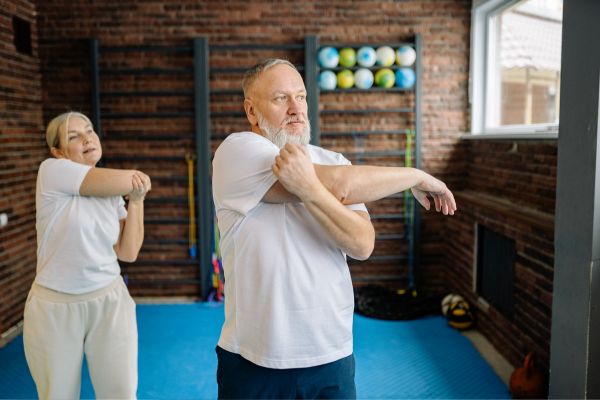
The conversation around fertility often circles around hormones, nutrition, timing, and sometimes stress—but rarely do we pause long enough to talk about movement. And yet, the body thrives on it. The right kind of movement, practiced gently and consistently, can create a supportive environment for reproductive health in ways that feel both subtle and deeply grounding.
Fertility boosting exercises aren’t about pushing your limits or chasing intensity. In fact, they lean in the opposite direction. They focus on improving blood flow, balancing hormones, reducing stress, and helping the body settle into a rhythm that supports conception. It’s less about burning calories and more about reconnecting with how your body feels.
Let’s explore how movement, when approached thoughtfully, can become a quiet but powerful ally in your fertility journey.
Understanding how movement influences fertility
The human body is responsive—almost conversational. What you do regularly shapes how your systems function, including the reproductive system. Exercise affects circulation, hormone regulation, insulin sensitivity, and even mood, all of which play a role in fertility.
When movement is balanced—not too intense, not too sedentary—it encourages healthy ovulation cycles, supports uterine health, and improves the body’s ability to manage stress. On the other hand, excessive high-intensity workouts or long periods of inactivity can disrupt hormonal balance, sometimes making conception more difficult.
So, the goal isn’t just to exercise. It’s to move in a way that feels supportive rather than draining.
The gentle power of yoga for reproductive health
Among fertility boosting exercises, yoga often stands out—and for good reason. It combines physical movement with breath awareness, helping to calm the nervous system while gently stimulating circulation in the pelvic area.
Poses like Butterfly Pose and Child’s Pose create space in the hips and encourage relaxation. They’re simple, almost deceptively so, yet they can help release tension stored in the body over time.
There’s also something intangible about yoga—the way it slows everything down. In a world that often rushes, this pause can be exactly what the body needs. Fertility isn’t just a biological process; it’s also influenced by emotional and mental states. Yoga acknowledges that.
Walking as a foundational fertility exercise
Sometimes, the simplest forms of movement are the most effective. Walking doesn’t require a plan, a gym membership, or even much preparation. It’s accessible, rhythmic, and surprisingly beneficial.
A steady daily walk improves blood circulation, including to the reproductive organs. It helps regulate insulin levels and supports hormonal balance, especially in individuals dealing with conditions like PCOS.
More than anything, walking gives you time. Time to think, to breathe, or even to not think at all. That mental space can quietly reduce stress levels, which is often an overlooked factor in fertility.
Strength training with a mindful approach
Strength training doesn’t have to mean lifting heavy weights or pushing to exhaustion. When approached gently, it can support fertility by improving muscle tone, boosting metabolism, and stabilizing blood sugar levels.
Exercises like Bodyweight Squats and Glute Bridges are particularly helpful. They engage the lower body, promoting circulation in the pelvic region without overwhelming the system.
The key is moderation. Short, controlled sessions a few times a week can be beneficial, while excessive intensity might have the opposite effect. Listening to your body becomes more important than following a strict routine.
The calming effect of stretching and flexibility work
Tension often settles quietly into the body—tight hips, a stiff lower back, shoulders that never quite relax. Over time, this tension can affect circulation and overall comfort.
Gentle stretching helps release that buildup. Movements like Cat-Cow Stretch improve spinal flexibility and encourage blood flow, while also easing lower back discomfort that some women experience during their cycle.
Stretching isn’t about achieving flexibility goals. It’s about creating ease. And sometimes, that sense of ease is exactly what the body needs to function more harmoniously.
The role of pelvic-focused exercises
The pelvic region plays a central role in reproductive health, so it makes sense to support it directly. Pelvic exercises can strengthen muscles, improve circulation, and enhance awareness of this often-overlooked area.
Kegel Exercises are commonly recommended, but they’re just one part of the picture. Gentle hip openers and core engagement exercises can also contribute to better pelvic health.
What’s interesting is how subtle these exercises are. They don’t require visible effort, yet they can build strength and support over time. It’s a reminder that not all progress is loud or dramatic.
Stress reduction through mindful movement
If there’s one factor that quietly influences fertility more than we realize, it’s stress. Chronic stress can disrupt hormonal balance, affect ovulation, and create a sense of disconnection from the body.
This is where practices like Deep Breathing Exercises come into play. Paired with gentle movement, they help activate the parasympathetic nervous system—the part responsible for rest and recovery.
Even a short daily routine that combines stretching, slow breathing, and a few calming poses can shift how the body feels. It’s not about eliminating stress entirely, which is unrealistic, but about giving the body tools to manage it more effectively.
Finding balance instead of intensity
There’s a common misconception that more exercise always leads to better results. In the context of fertility, that idea doesn’t always hold up.
Excessive high-intensity workouts can sometimes lead to irregular cycles or hormonal imbalances, especially if the body isn’t getting enough rest or nutrition. On the other hand, too little movement can slow circulation and affect metabolic health.
Fertility boosting exercises live in the middle ground. They’re consistent but not overwhelming. They support the body without demanding too much from it.
This balance isn’t always easy to find. It often requires a bit of experimentation, a willingness to adjust, and, most importantly, attention to how your body responds.
Creating a routine that feels sustainable
A routine doesn’t have to be complicated to be effective. In fact, the simpler it is, the more likely it is to stick.
A gentle morning stretch, a walk in the evening, a few strength exercises a couple of times a week—these small habits add up. Over time, they create a rhythm that the body can rely on.
What matters most is consistency. Not perfection, not intensity, just showing up regularly in a way that feels manageable.
And if a day is missed, that’s okay too. The body doesn’t respond to occasional lapses—it responds to long-term patterns.
Listening to your body along the way
Perhaps the most overlooked aspect of any exercise routine is awareness. It’s easy to follow a plan, check off tasks, and move on. But fertility, like many aspects of health, benefits from a more intuitive approach.
Some days, your body might feel energized and ready for movement. Other days, it might need rest. Both are valid.
Paying attention to energy levels, mood, and physical sensations can guide you toward a routine that truly supports you. It turns exercise from a task into a form of communication.
A quiet, supportive approach to fertility
Fertility boosting exercises don’t promise quick results or dramatic transformations. What they offer instead is something more subtle—a way to support your body gently, consistently, and with intention.
They create space for balance, encourage circulation, and help manage stress, all while allowing you to reconnect with your body in a meaningful way.
Conclusion
Fertility is complex, shaped by many factors that don’t always follow a clear or predictable path. But within that complexity, small, supportive habits can make a difference—and movement is one of them.
Fertility boosting exercises aren’t about pushing harder or doing more. They’re about moving with care, choosing balance over intensity, and giving your body the environment it needs to function at its best.
Over time, these quiet efforts build something steady. Not just physical strength or flexibility, but a sense of trust in your body’s natural rhythm. And sometimes, that trust is where everything begins.