
Being underweight after pregnancy can feel especially confusing because most postpartum advice focuses on losing weight. Yet some women leave pregnancy lighter than expected, lose weight quickly while breastfeeding, or struggle to eat enough during the exhausting early months. Healthy weight gain at this stage is less about chasing a number on the scale and more about rebuilding energy, supporting healing, preserving muscle, and meeting the nutritional demands of caring for a baby.
If your weight is continuing to fall without trying, or you were already underweight before pregnancy, discuss the change with your doctor, midwife, or a registered dietitian. A personalised plan can account for your pre-pregnancy weight, delivery recovery, feeding method, activity level, medical history, and how quickly your weight has changed.
Start by ruling out reasons you are not gaining
Low weight after birth is not always caused by simply eating too little. Sleep disruption, nausea, low appetite, stress, depression, thyroid problems, digestive conditions, medication effects, and the extra energy used for milk production can all play a role. Postpartum thyroiditis, for example, can temporarily cause an overactive thyroid after delivery. Symptoms may include a fast heartbeat, heat intolerance, irritability, poor sleep, and unexplained weight loss.
Seek medical advice if weight loss is rapid or persistent, you cannot keep food down, you feel faint or unusually weak, you have palpitations, or eating has become difficult because of anxiety or low mood. Postpartum depression can also affect appetite and self-care. Treating an underlying problem matters more than simply adding calories.
Build a small, steady calorie surplus
For healthy weight gain, the goal is usually to eat a little more energy than your body uses while keeping food quality high. There is no single calorie target that suits every postpartum woman. Needs vary with body size, activity, recovery, and breastfeeding. If you breastfeed, your calorie needs are higher; current CDC guidance notes that well-nourished breastfeeding mothers generally need about 330 to 400 additional kilocalories per day compared with their pre-pregnancy intake, although individual needs vary.
Rather than forcing very large meals, add energy in ways that are easier to tolerate. Add olive oil or avocado to meals, nut or seed butter to toast and oats, full-fat yogurt to snacks, cheese to eggs or potatoes, or milk to porridge and smoothies. These additions increase calories without dramatically increasing meal volume.
Use a three-meal, two-snack rhythm
Newborn care can make regular meals disappear from the day. A simple rhythm of three meals plus two planned snacks can be more practical than relying on hunger. Each eating occasion should ideally contain a source of protein and a source of carbohydrate, with healthy fats added where useful. Protein supports tissue repair and muscle maintenance, while carbohydrates help replenish energy.
A practical morning example might be oatmeal made with milk, topped with banana and peanut butter, followed later by Greek yogurt with fruit and nuts. Lunch could be rice with chicken, lentils, or beans, vegetables, and olive oil. A sandwich with egg or cheese can work as an afternoon snack when you only have one hand free. Dinner might pair potatoes, pasta, or another grain with fish, meat, tofu, or legumes.
Make postpartum nutrition do more than add calories
Weight gain is easier to sustain when extra calories also deliver nutrients. Include protein-rich foods such as eggs, poultry, fish, dairy, beans, lentils, tofu, nuts, and seeds. Add whole grains, potatoes, rice, fruit, and other carbohydrate sources for energy. Healthy fats from olive oil, avocado, nuts, seeds, and oily fish are useful because they are energy-dense.
Iron, calcium, vitamin D, iodine, vitamin B12, and other nutrients may deserve special attention depending on your diet, blood loss at delivery, and whether you breastfeed. Do not assume a supplement is automatically needed because you feel tired. Ask your clinician whether you should continue a prenatal vitamin or whether blood tests are appropriate, especially if you had anaemia during pregnancy.
Useful related resources include healthy high-calorie foods, postpartum meal planning, and breastfeeding nutrition basics. Those topics can support a broader plan without turning weight gain into a diet built around sweets, fried foods, or heavily processed snacks.
Protect muscle as you regain weight
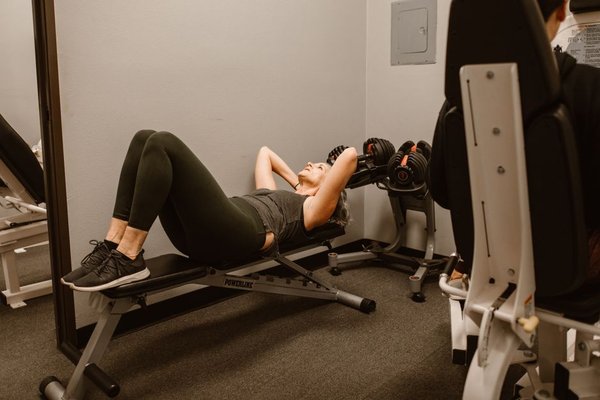
The scale does not show whether new weight is muscle, fat, fluid, or a mixture. Once your clinician has cleared you for activity, gentle strength work can help rebuild function and muscle. Start with recovery-appropriate movement rather than intense exercise, particularly after a caesarean birth, significant tearing, pelvic-floor symptoms, or other complications.
Food and activity should work together. Eating more while repeatedly skipping protein may make it harder to rebuild lean tissue, while exercising aggressively without replacing the energy used can worsen an existing calorie deficit. If breastfeeding, remember that breastfeeding calorie needs are only one part of your total daily energy requirement.
Track progress without becoming ruled by the scale
Daily body weight can swing because of hydration, bowel changes, milk production, and normal fluid shifts. If tracking is helpful, weigh under similar conditions once or twice a week and look at the trend over several weeks. Also notice practical signs of recovery: steadier energy, improved strength, better appetite, clothes fitting more comfortably, and fewer episodes of dizziness or exhaustion.
If your weight does not rise despite consistently eating more, a dietitian can help estimate your energy intake and identify gaps. A clinician may also investigate medical causes. The aim is not rapid gain; it is a sustainable return toward a weight range that supports your health and daily function.
Frequently asked questions
Is it normal to be underweight after pregnancy?
Some women lose weight quickly after delivery, especially with low appetite, illness, stress, or breastfeeding, but persistent or unexplained low weight deserves medical review. Your pre-pregnancy size and weight trend matter more than a single number.
Can I gain weight while breastfeeding without reducing milk supply?
Yes. Breastfeeding and gradual weight gain can coexist. Focus on regular meals, nutrient-dense snacks, adequate fluids, and enough total energy. If milk supply, infant growth, or your own weight is a concern, speak with your clinician and a qualified lactation professional.
Are protein shakes useful for postpartum weight gain?
They can be convenient when appetite is poor, but they are not essential. A homemade smoothie with milk or yogurt, fruit, oats, and nut butter can provide protein, carbohydrate, fat, and micronutrients. Check supplements carefully, particularly if breastfeeding, because some powders contain herbs or other ingredients that may not be appropriate.
How quickly should I try to gain weight?
There is no universal postpartum target. A slow, steady increase is generally easier to sustain than rapid weight gain, but the right pace depends on how underweight you are, whether you are breastfeeding, and whether a medical condition is contributing. Your healthcare professional can help set an individual goal.
A steadier way forward
Healthy postpartum weight gain is built around consistency: enough food, enough protein, energy-dense additions, recovery-appropriate activity, and medical support when weight loss is unexplained. Give yourself permission to use convenient foods and simple meals during a demanding season. The most useful plan is one you can repeat while caring for your baby, not one that depends on perfect eating or oversized meals.