
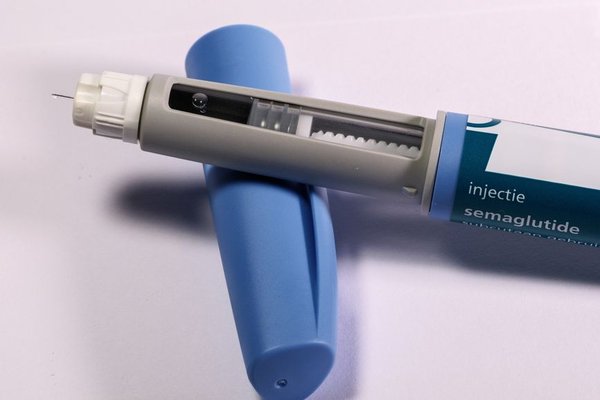
GLP-1 weight-loss medications can make eating feel surprisingly different. Hunger may fade, normal portions can suddenly feel too large, and familiar foods may become unappealing. Nausea, constipation, reflux, or early fullness can also make it harder to eat well. The goal is not to force yourself to eat as you did before treatment. It is to make the food you do eat work harder by prioritizing nutrition, hydration, and muscle support.
Because these medications can slow stomach emptying and reduce appetite, smaller amounts of food may keep you satisfied for longer. That can help with weight management, but it also leaves less room for meals that provide plenty of calories with little protein, fiber, or micronutrient value. A few practical habits can make day-to-day eating more comfortable and nutritionally complete.
Build meals around nutrition before volume
When appetite is low, think about what deserves space on the plate first. Start with a protein-rich food, then add vegetables, fruit, whole grains, or another fiber-rich carbohydrate as tolerated. This is often more useful than trying to finish a large balanced plate when you already feel full after several bites.
A small meal might be Greek yogurt with berries and oats, eggs with whole-grain toast and tomatoes, or fish with potatoes and cooked vegetables. If you can only manage half the meal, eating the protein component first increases the chance that you still get something nutritionally valuable.
Make protein a priority while losing weight
Getting enough protein on GLP-1 therapy matters because weight loss does not come exclusively from body fat. Some lean tissue can also be lost during significant weight reduction. Try to include a protein source at each meal rather than saving most of it for dinner. Eggs, Greek yogurt, cottage cheese, fish, chicken, tofu, beans, lentils, and suitable protein shakes can all help.
Your ideal protein intake depends on body size, age, activity level, kidney function, and other health conditions, so a clinician or registered dietitian can help set an appropriate target. Concerns about muscle loss on GLP-1 medication are also a reason to include resistance exercise if your healthcare team says it is safe. Protein supports muscle, but strength training provides the stimulus that helps preserve it during weight loss.
Use smaller meals instead of pushing through fullness
A common mistake is eating at the same speed and portion size as before treatment, then realizing too late that the meal was too much. Start with smaller servings, eat slowly, chew thoroughly, and pause before deciding whether you need more. You can always have another small portion later.
Large, rich meals may be especially uncomfortable. Fried foods, very fatty meals, heavy cream sauces, and oversized portions can worsen nausea, reflux, or bloating for some people. Tolerance varies, so notice your own patterns rather than creating a long list of foods you are never allowed to eat.
Adjust what you eat when nausea shows up
The most useful GLP-1 nausea food tips are simple: eat less at one time, choose lower-fat foods while symptoms are active, and avoid letting nausea lead to dehydration. Plain or lightly seasoned foods may be easier to tolerate, including toast, crackers, rice, bananas, oatmeal, soup, yogurt, or a small baked potato.
For example, if your usual breakfast suddenly feels impossible after a dose increase, do not force a large meal. Try a few spoonfuls of yogurt with dry toast, sip fluids gradually, then add more food later when your stomach settles. That is often more comfortable than skipping food all day and attempting a large evening meal.
Persistent vomiting, inability to keep fluids down, severe or ongoing abdominal pain, or signs of dehydration need medical attention rather than another diet adjustment. Contact your prescribing clinician promptly, and seek urgent care for severe symptoms.
Protect hydration without overfilling your stomach
Nausea, vomiting, or diarrhea can increase dehydration risk, while reduced appetite can make people forget to drink. Sip fluids regularly through the day instead of trying to drink a large amount with meals. If you are losing fluid through vomiting or diarrhea, ask your healthcare professional whether an electrolyte drink is appropriate, especially if you have kidney, heart, or blood-pressure conditions.
Increase fiber gradually if constipation becomes a problem
Constipation can occur with GLP-1 and related weight-loss medications. Fiber may help, but suddenly adding huge amounts of bran, raw vegetables, or supplements can increase bloating when digestion already feels slow. Build up gradually and pair fiber with enough fluid.
Oats, berries, kiwi, pears, cooked vegetables, beans, lentils, chia seeds, and whole grains are practical options. If constipation becomes persistent, painful, or severe, speak with your clinician rather than continually increasing fiber on your own.
Do not let “less hungry” turn into “barely eating”
Strong appetite suppression can make some people unintentionally miss meals day after day. That can make it difficult to get enough protein, vitamins, minerals, and overall energy. Pay attention to unusual fatigue, weakness, dizziness, declining exercise performance, or a pattern of eating only a few bites for most of the day.
A simple routine can help: plan two or three small eating opportunities and make each one nutrient-dense. For related guidance, useful internal topics include high-protein foods for weight loss, beginner resistance training for weight management, and managing constipation during weight loss. If intake remains very low, ask a registered dietitian or your prescribing clinician for individualized help.
Frequently asked questions
Should I avoid carbohydrates while taking a GLP-1 medication?
No universal rule requires avoiding carbohydrates. Whole grains, fruit, beans, and starchy vegetables can provide fiber, vitamins, minerals, and useful energy. Your needs may differ if you have diabetes or take other glucose-lowering medicines.
What should I eat if I have very little appetite?
Choose small, nutrient-dense foods that provide protein and other nutrients without requiring a large volume. Yogurt, eggs, cottage cheese, tofu, fish, soups with beans or chicken, and an appropriate protein drink can be practical options.
Can I drink coffee while taking GLP-1 medication?
Many people can, but coffee may worsen nausea or reflux in some individuals. If that happens, reduce the amount, avoid drinking it on an empty stomach, or switch temporarily to a milder option.
Do I need supplements while taking a GLP-1 medication?
Not everyone needs the same supplements. Reduced food intake can make nutrient gaps more likely, but the right choice depends on your diet, symptoms, medical history, and laboratory results. Ask your clinician or dietitian before starting high-dose vitamins or minerals.
Conclusion
Eating well on a GLP-1 medication is less about following a rigid “GLP-1 diet” and more about adapting thoughtfully to a smaller appetite. Prioritize protein, use smaller meals, stay hydrated, increase fiber gradually, and adjust food texture and fat content when nausea is active. Pairing adequate nutrition with resistance exercise can help support muscle during weight loss. If symptoms are persistent, severe, or make it difficult to eat and drink enough, involve your healthcare team rather than trying to solve the problem with food rules alone.