
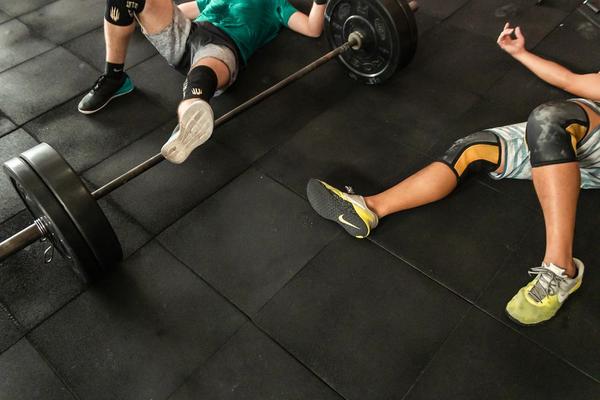
Rest between sets is easy to overlook until your second set feels much harder than the first. Perhaps you finished eight squats, waited 30 seconds, and then struggled to manage five. That drop does not automatically mean the weight is too heavy. You may need more time to recover before repeating a demanding effort.
As a starting point, allow two to five minutes after heavy strength sets, roughly one to three minutes for muscle-building exercises, and 30 to 90 seconds for lighter endurance work. These are flexible ranges. The right rest time between sets depends on your exercise, goal, effort, and ability to perform the next set well.
Rest Long Enough to Make the Next Set Count
Between sets, your breathing settles and your muscles restore some energy for hard contractions. Coordination and concentration recover too. Returning too early can reduce repetitions, lifting speed, or control, even when you feel motivated.
Rather than asking how quickly you can start again, ask whether you can repeat the intended work with good form. Longer breaks do not mean you are less fit. Equally, an easy exercise rarely requires five minutes simply because you are lifting weights.
Rest Ranges for Different Training Goals
Maximum strength: two to five minutes
Heavy squats, deadlifts, and presses place substantial demands on the body. Resting two to five minutes between challenging working sets helps you maintain force and technique. Especially heavy sets may justify the longer end of that range.
Strength training rest should support performance, not turn lifting into a breathless race. If your planned repetitions slow dramatically after short breaks, allow more recovery before changing the weight.
Muscle growth: often one to three minutes
For hypertrophy, try two to three minutes after challenging compound lifts and 60 to 120 seconds after many isolation movements. Hard leg presses usually demand more recovery than moderate lateral raises. Aim for useful, controlled repetitions rather than merely chasing a muscle burn.
A 2024 systematic review suggested a small possible growth advantage to resting longer than 60 seconds, but found no clear additional benefit once breaks exceeded 90 seconds. Longer breaks can still preserve performance on difficult sets. The evidence does not establish a single perfect interval for everyone.
Muscular endurance: about 30 to 90 seconds
Lighter, higher-repetition sets and some circuits can work with shorter breaks. Around 30 to 90 seconds is a starting range; certain circuits use shorter transitions. Add time when technique deteriorates. Becoming breathless is not the same as completing high-quality endurance work.
Explosive power: two to five minutes
Jumps, throws, and explosive barbell movements depend on speed and precision. Longer pauses help you repeat sharp efforts instead of practicing slower, fatigued movements.
Why the Exercise Changes Your Rest Needs
Exercise difficulty often matters more than the label on your workout. Walking lunges involve large muscles, balance, and considerable breathing demand. Triceps extensions use less total muscle mass. You might rest three minutes after demanding lunges but only 75 seconds after extensions.
Effort also matters. Stopping with three repetitions still available usually creates less fatigue than grinding through your final possible rep. The closer you train to failure, the more useful extra recovery may become. Beginners also need adequate time to repeat sound technique.
Test Your Rest Time With a Simple Experiment
Suppose your program calls for three sets of eight goblet squats using one dumbbell. With 60-second breaks, you achieve eight, six, and five clean reps. At your next comparable session, try two-minute breaks. If you manage eight, eight, and seven, extra recovery may be helping you meet your planned target.
One workout is not proof because sleep, nutrition, and daily fatigue vary. Look for patterns across sessions. When repetitions repeatedly drop and technique suffers, add 30 to 60 seconds before automatically reducing the load. If your sets remain controlled, your present interval may be adequate.
A timer supports consistency, but it cannot judge your form. Use both the clock and your performance to decide when you are ready.
Rest Between Exercises and Supersets
Recovery between exercises is related to, but not identical to, recovery between sets. After a demanding deadlift set, take time to breathe and prepare the next station safely. If the next exercise uses the same muscles heavily, you may need a longer transition. Switching to an easier exercise for different muscles can require less.
Supersets can save time when paired movements do not compete strongly, such as a row with calf raises. Even then, each muscle group needs enough recovery before its next hard set. Avoid turning every superset into a frantic circuit when strength is the priority.
A Practical Plan for a Gym Session
Imagine a workout with squats, dumbbell presses, seated rows, and biceps curls. Begin with three minutes after hard squats, two minutes after presses and rows, and 60 to 90 seconds after curls. Adjust rather than forcing every movement into the same interval.
Record your rest periods alongside weights and repetitions. Related topics worth exploring include how to structure a full-body workout, how progressive overload works, and how many sets per muscle group to perform. Those programming choices shape fatigue before the timer even starts.
Common Rest Mistakes
Short workout rest periods are not automatically better because you sweat more. Yet long, unplanned phone breaks can disrupt a session. Start your timer after the last repetition, record your result, and prepare equipment while recovering.
If you feel dizzy, unusually short of breath, or unwell, do not restart just because the timer rings. Stop exercising and seek appropriate medical attention for concerning symptoms.
Frequently Asked Questions
Is 60 seconds enough rest between sets?
Sometimes. A minute can work after easier isolation exercises or lighter endurance work. Heavy compound lifts often benefit from longer recovery, especially when you need consistent repetitions and technique.
Should beginners rest less than experienced lifters?
Not necessarily. Beginners may use lighter weights, but learning technique requires attention. One to two minutes can be a starting point for moderate sets; extend breaks when needed.
Does longer rest reduce muscle growth?
Not inherently. Longer breaks can support better subsequent sets. Research does not show that taking sensible recovery time automatically reduces hypertrophy.
Can I walk between sets?
Gentle walking is generally fine if it does not fatigue the muscles needed next. Treat the break as recovery, not extra conditioning, unless that is part of your program.
Make Rest Match the Workout
There is no prize for rushing every set. Take longer breaks for heavy strength and power work, moderate ones for demanding muscle-building sets, and shorter ones where endurance matters. Then adjust based on form, repetitions, and readiness. Consistent rest helps you train productively without letting the stopwatch control your workout.