
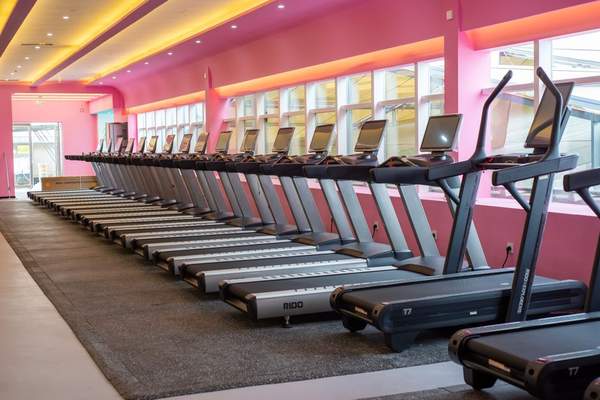
A treadmill can make cardio feel oddly repetitive: choose a speed, watch the clock, and wait for the session to end. A treadmill interval workout changes that rhythm. By alternating purposeful efforts with easier recovery, you give each stretch of the session a job. You can do it by walking, mixing walking with jogging, or running faster segments once your fitness supports them.
The useful question is not simply “How fast should I go?” but “What should this interval feel like?” Good treadmill intervals challenge you while leaving enough recovery to repeat the effort. These three sessions offer practical starting points, with exact minutes and straightforward adjustments.
Choose Your Effort Before Choosing Your Speed
Use a perceived-effort scale from 0 to 10, where 0 is rest and 10 is your maximum. Easy recovery generally feels like 2–3. Moderate work is around 5–6: breathing quickens, but you can still talk. Hard work is about 7–8: you can speak only a few words before pausing for breath.
This talk test is often more useful than copying someone else’s treadmill speed. Brisk walking may challenge one person but feel effortless to another. Let the first few minutes help you find your own pace, and start on a level belt unless you already understand how incline changes your effort.
Easy: A 28-Minute Interval Walking Workout
This is a welcoming treadmill cardio workout for anyone returning to exercise, avoiding running, or wanting variety without intense effort. The brisk portions should feel noticeably different from recovery, but never frantic.
The Workout
Warm up with 5 minutes of comfortable walking. Then repeat 6 rounds of 1 minute brisk walking followed by 2 minutes easy walking. End with 5 minutes of progressively slower walking. The total is 28 minutes: 5 minutes warming up, 18 minutes of intervals, and 5 minutes cooling down.
During the brisk minute, aim for roughly 5 out of 10 effort. Let your arms swing naturally and avoid reaching for the handrails to keep pace. During recovery, lower the speed enough that breathing settles. If the next brisk minute feels intimidating, make the previous one gentler.
For example, someone comfortable at 2.5 mph might try 3 mph for the brisk interval and adjust after the first round. Those speeds are illustrations, not targets everyone should meet. Improving brisk walking form may help more than adding another half mile per hour.
Moderate: A 34-Minute Walk-Jog Workout
Already comfortable with regular walks? This option gives you longer effort periods and equal-length recovery. Jog during the work intervals if it feels natural, or use a fast walk. It is a useful bridge between steady walking and a continuous indoor running workout.
The Workout
Warm up for 5 minutes, gradually moving toward a brisk walk. Complete 6 rounds of 2 minutes at a moderate effort followed by 2 minutes of easy walking or jogging. Cool down for 5 minutes. Total time: 34 minutes.
Keep the work periods around 5–6 out of 10. The first round should feel manageable enough that the sixth can look much the same. If you are new to jogging, use a relaxed, short stride. There is no penalty for walking every recovery segment; that is what makes the faster intervals sustainable.
Watch your form toward the end. If your shoulders tighten, your feet slap the belt, or you cannot recover, reduce the work speed. When this routine starts feeling predictable, a beginner running plan can help you build toward longer continuous runs.
Hard: A 38-Minute Controlled Running Workout
This format suits people who already run comfortably and know how to change treadmill pace safely. Hard does not mean an all-out sprint. The aim is to repeat a challenging effort with control rather than chase the biggest number on the display.
The Workout
Warm up for 8 minutes, moving from brisk walking to easy jogging and gradual pace increases. Complete 8 rounds of 1 minute hard running followed by 2 minutes of easy jogging or walking. Finish with 6 minutes of gradually slower movement. Total time: 38 minutes.
Aim for 7–8 out of 10 during the hard minute. You should work noticeably harder while keeping a stable position on the belt. Recovery should feel genuinely easy. If the treadmill takes time to accelerate or slow down, make transitions deliberately rather than jumping onto the rails or off a moving belt.
The final repetition should resemble the first in both pace and stride. If form deteriorates halfway through, shorten the work intervals or switch to the moderate routine. Consistency matters more than exhausting yourself.
Progress Without Turning Every Session Into a Test
Change only one variable at a time. After a few comfortable easy sessions, you could add a round. Alternatively, keep the rounds unchanged and raise the brisk speed slightly. Avoid increasing speed, incline, interval duration, and total volume together: that makes excessive fatigue harder to spot.
Incline can provide variety, especially for walkers, but even a small rise increases effort and changes the demands on your legs. Introduce it gradually and keep recovery comfortable. If running or incline aggravates your joints, explore low-impact cardio alternatives rather than pushing through discomfort.
Warm-Up, Recovery, and Treadmill Safety
Allow 5–10 minutes to warm up and cool down, particularly around demanding intervals. Start with an easy pace before increasing speed, and slow down gradually at the end. This helps your breathing and heart rate change more comfortably than an abrupt start or stop.
Attach the emergency-stop clip if available, wear secure shoes, and practice changing settings before your first interval. Avoid leaning heavily on handrails. Stop exercising if you experience chest pain, dizziness, or unusual breathlessness, and seek appropriate medical care. If you have a condition affecting safe exercise, ask a qualified clinician for individualized advice before attempting hard intervals.
Frequently Asked Questions
Can I do treadmill intervals without running?
Yes. Alternating brisk and easy walking creates meaningful effort changes without jogging. The easy plan above is a complete interval walking workout.
How often should I do treadmill intervals?
One or two manageable sessions per week can be a sensible starting point, with easier movement between them. Experienced exercisers can adjust frequency to match their overall training and recovery.
Should I increase speed or incline?
Try speed first so you can judge the difference between work and recovery. Add incline separately, in small amounts, only after you are comfortable at your existing pace.
Are treadmill intervals the same as HIIT?
No. Intervals simply alternate effort and recovery. Easy and moderate intervals need not be high-intensity interval training, and even challenging running intervals should remain controlled.
Keep the Next Session Repeatable
Choose the treadmill interval workout that fits your current ability, let breathing guide the pace, and give each recovery its full purpose. With a clear structure and small adjustments over time, indoor cardio becomes less about watching the clock and more about making every minute count.