
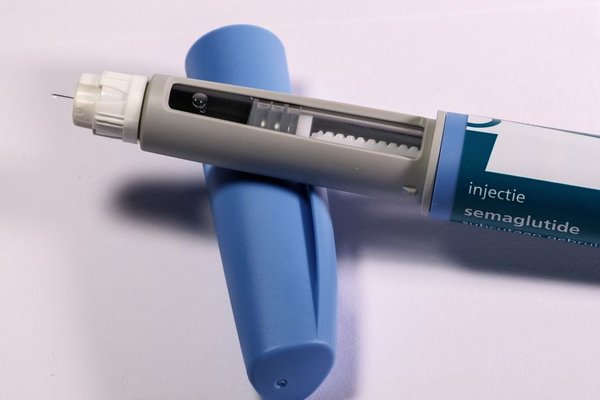
GLP-1 medicines can make meals feel very different. Appetite may drop sharply, fullness may arrive after only a few bites, and familiar foods may suddenly feel too rich. That can support weight management, but it can also make it harder to eat enough protein, fibre, fluids and micronutrients. The most useful approach is not a rigid “GLP-1 diet.” It is a flexible food-first plan built around smaller portions, nutrient-dense choices and close attention to symptoms.
Nutrition advice should be personalised if you have diabetes, kidney disease, digestive problems or a history of an eating disorder. Your prescriber or a registered dietitian can help you adjust food intake safely.
Make Protein the Anchor of Each Meal
When appetite is reduced, every bite carries more nutritional weight. Protein helps support muscle maintenance during weight loss and can make small meals more satisfying. Start with the protein food before you become too full to finish it.
Practical options include eggs, Greek yoghurt, cottage cheese, fish, chicken, lean meat, tofu, tempeh, lentils and beans. A small smoothie made with milk or fortified soy milk and yoghurt can be easier when solid food feels unappealing. Protein powders are not essential, but a clinician or dietitian may suggest one if ordinary food is not meeting your needs.
A simple lunch could be half a whole-grain wrap with chicken or tofu and soft vegetables. For breakfast, try Greek yoghurt with berries and a little oats.
Choose Smaller Meals and Eat Slowly
GLP-1 medicines can slow stomach emptying and increase fullness. Large portions may worsen nausea, reflux, bloating or discomfort. Serve less than you normally would, eat slowly and pause when you feel comfortably satisfied. You can have another small meal later if hunger returns.
Many people do better with three modest meals and one or two small snacks. Avoid lying down immediately after eating if reflux is a problem. Eating on Ozempic or another GLP-1 medicine should not become a contest to finish a plate.
Use Carbohydrates for Steady Energy
Carbohydrates are not forbidden. They provide energy for daily activity and exercise, while higher-fibre sources can support bowel regularity. Choose portions that fit your appetite and pair them with protein.
Useful choices include oats, whole-grain toast, brown rice, beans, fruit and potatoes. During nausea or diarrhoea, gentler foods such as toast, rice, bananas, crackers or soup may be easier. Return gradually to a varied diet as symptoms settle.
If you use insulin or a sulfonylurea for diabetes, eating much less than usual may increase the risk of low blood glucose. Ask your healthcare team how to monitor and whether medication adjustments are needed; do not make those changes independently.
Increase Fibre Gradually
Constipation is a common concern with GLP-1 treatment. Fibre can help, but a sudden jump from very little fibre to large servings of bran, beans and raw vegetables may increase gas or abdominal discomfort.
Build up slowly with oats, kiwi, berries, pears, cooked vegetables, lentils and chia seeds, while drinking enough fluid. Cooked or peeled produce may be easier to tolerate than large raw salads when the stomach feels sensitive. Regular walking can also support bowel movement.
Hydrate Consistently
Vomiting or diarrhoea can lead to dehydration. Sip fluids throughout the day rather than drinking a large amount with a meal. Water, milk, unsweetened tea and broth can all contribute.
Dark urine, dizziness, a very dry mouth or infrequent urination may signal dehydration. Contact a healthcare professional if you cannot keep fluids down or symptoms persist. People with heart failure, kidney disease or a prescribed fluid restriction should follow their clinician’s specific guidance.
Limit Foods That Commonly Worsen Symptoms
No single food must be banned for everyone, but very large, greasy or high-fat meals can be difficult to tolerate because fat slows digestion. Fried foods, heavy cream sauces, oversized burgers, rich desserts and large amounts of cheese may intensify nausea or fullness. Spicy foods, alcohol and carbonated drinks can also aggravate reflux or bloating in some people.
Test your personal tolerance rather than following a universal avoidance list. Keep brief notes about the food, portion, medication day and symptoms to identify patterns.
Plan for Difficult Appetite Days
On difficult appetite days, prioritise fluids and simple foods that provide protein or energy without much volume. Try yoghurt, an egg, soup with chicken or beans, milk, a small smoothie or toast with nut butter.
Consider preparing half-size portions before a dose increase, when gastrointestinal symptoms may be more noticeable. A practical “small meal box” might contain yoghurt, soft fruit, crackers and sliced turkey or tofu. It gives you several manageable options without requiring one full meal.
Protect Nutrition During Ongoing Weight Loss
Rapid weight loss can include some lean tissue as well as body fat. Adequate protein works best alongside suitable resistance exercise, such as body-weight movements, bands or supervised weights.
Also vary your foods. Include vegetables and fruit of different colours, whole grains or legumes, protein foods and sources of healthy fat. Supplements should be based on an identified need or professional recommendation rather than marketing claims aimed at GLP-1 users.
Know When to Seek Medical Advice
Contact your prescriber if nausea, vomiting, diarrhoea, constipation or abdominal discomfort is persistent, severe or preventing adequate eating and drinking. Seek urgent care for severe or continuing abdominal pain, especially when it spreads to the back or occurs with vomiting. Follow the medication guide for your specific prescription, because warnings and instructions differ.
Never alter the dose, stop treatment or combine GLP-1 products without medical advice. Use only medication supplied through a legitimate pharmacy and follow the prescribed dosing schedule.
Frequently Asked Questions
What is the best breakfast while taking a GLP-1 medicine?
A modest breakfast combining protein and fibre often works well, such as Greek yoghurt with berries, eggs with whole-grain toast, or oatmeal made with milk. Adjust the portion to your appetite.
Can I eat normally on GLP-1 medication?
You can eat a varied diet, but smaller meals and slower eating may feel better. Focus on nutrient-dense foods and adapt portions according to fullness and side effects.
Should I avoid all fatty foods?
No. Moderate amounts of unsaturated fats can be part of a balanced diet. Very rich or fried meals are simply more likely to worsen nausea, reflux or uncomfortable fullness.
What should I eat when I feel nauseated?
Try small amounts of bland, lower-fat foods such as toast, crackers, rice, banana, yoghurt or broth. Sip fluids and contact your healthcare professional if nausea is severe, persistent or accompanied by repeated vomiting.
Build Meals Around What Your Body Can Tolerate
Good nutrition for weight loss medication is less about perfection and more about protecting health while appetite is lower. Begin meals with protein, include manageable portions of fibre-rich carbohydrates, drink regularly and scale back foods that trigger symptoms. With a little planning and guidance from your healthcare team, you can support muscle, digestion and steady energy without forcing large meals or following an unnecessarily restrictive plan.