
Your gut microbiome is not something you can “fix” with one trendy ingredient. It is a living community of bacteria, fungi, viruses, and other microorganisms that responds to what you eat repeatedly. The most useful foods for gut microbiome health usually do one of two jobs: they provide fermentable fibre that feeds helpful microbes, or they supply live cultures and fermentation compounds that may support a varied gut environment.
A practical gut microbiome diet combines prebiotic foods with probiotic foods rather than relying on supplements alone. Variety matters because different plant fibres nourish different microbes. Rotating oats, lentils, berries, onions, seeds, and fermented foods is generally more useful than eating the same “healthy” food every day.
How Prebiotics and Probiotics Work Together
Prebiotics are fibres and related plant compounds that reach the large intestine without being fully digested. Gut microbes ferment them and produce substances such as short-chain fatty acids, which help support the colon lining. Probiotics are live microorganisms found in certain fermented foods. Not every fermented product still contains live cultures when eaten, and no single strain suits everyone.
The aim is not a perfect microbiome score. It is a steady pattern of fibre-rich whole foods, modest amounts of fermented foods, enough fluid, and fewer heavily processed foods. These 10 choices make that approach practical.
10 Foods for Gut Microbiome Health
1. Plain Live-Culture Yogurt
Plain yogurt with live cultures is one of the easiest probiotic foods to add to breakfast or snacks. Choose an unsweetened variety and check the label for live or active cultures. Pair it with oats, berries, or seeds so the meal provides both microbes and fermentable fibre.
2. Kefir
Kefir is a tangy fermented milk drink that may contain a mixture of bacteria and yeasts, although cultures vary by brand. Start with a small serving if it is new to you. Some people with lactose intolerance tolerate fermented dairy better than milk, but individual responses differ.
3. Oats
Oats provide soluble fibre, including beta-glucan, that gut bacteria can ferment. They are affordable and easy to use in porridge, overnight oats, muesli, or savoury bowls. A useful breakfast is oats with plain yogurt, berries, and ground flaxseed, which delivers several types of fibre in one meal.
4. Lentils, Chickpeas, and Beans
Legumes provide fibre, resistant starch, and plant protein, making them valuable prebiotic foods. They can cause gas when added too quickly. Begin with a few spoonfuls of well-rinsed canned lentils or chickpeas, then increase gradually in soups, curries, salads, or pasta sauces.
5. Onions, Garlic, and Leeks
These vegetables contain fructans, fermentable carbohydrates used by certain gut microbes. They also add plenty of flavour. Raw onion may be difficult for some people, while cooked onion or leek can feel gentler. People with irritable bowel syndrome or FODMAP sensitivity may need personalised advice because these foods can trigger symptoms.
6. Slightly Green Bananas
Slightly green bananas contain more resistant starch than fully ripe bananas. This starch escapes much of the digestion in the small intestine and can be fermented in the colon. You do not need a hard, unripe banana; choose one that is firm, yellow-green, and comfortable to eat.
7. Apples and Berries
Apples provide pectin, while berries offer fibre and polyphenols that interact with gut microbes. Keep the edible skin on apples when suitable, and rotate blueberries, raspberries, strawberries, or blackberries. Frozen berries are just as practical and are often cheaper outside the fresh season.
8. Sauerkraut or Kimchi
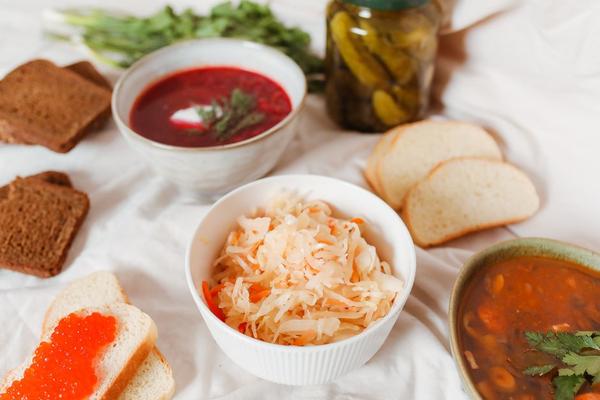
Traditionally fermented cabbage can provide lactic acid bacteria alongside fibre and plant compounds. Pasteurised products may no longer contain live cultures, so look for refrigerated options labelled unpasteurised, raw, or containing live cultures. Because kimchi and sauerkraut can be salty, use them as a small side or condiment.
9. Tempeh
Tempeh is fermented soy pressed into a firm cake. It supplies fibre and protein, and fermentation may make it easier for some people to digest. Cooking reduces live microbes, so tempeh is not a guaranteed probiotic. It remains useful because it is a minimally processed plant food with fibre and fermentation-derived compounds.
10. Nuts and Seeds
Almonds, walnuts, chia seeds, and flaxseed contribute fibre, unsaturated fats, and plant compounds. Ground flaxseed mixes easily into yogurt or porridge, while chia works well in overnight oats. Increase seed intake gradually and drink enough water to limit digestive discomfort.
Make These Foods Work in Real Life
A sudden jump from a low-fibre diet to large servings of beans, bran, raw onion, and fermented vegetables can leave you bloated. Add one change at a time and increase portions over several weeks. A simple plan could be oats with yogurt on Monday, lentil soup on Tuesday, an apple with walnuts on Wednesday, and a spoonful of sauerkraut beside dinner on Thursday.
Use your own symptoms as a guide. Persistent abdominal pain, blood in the stool, unexplained weight loss, ongoing diarrhoea, severe constipation, or symptoms that disrupt daily life deserve medical advice. People with weakened immune systems should discuss probiotic products with a healthcare professional.
Frequently Asked Questions
What is the best single food for the gut microbiome?
There is no universal best food. A varied pattern combining plant fibre with fermented foods is more likely to support a healthy gut environment than one ingredient eaten in isolation.
How quickly can diet change the gut microbiome?
The microbiome can respond to dietary changes within days, but lasting benefits depend on consistent habits. Some people notice temporary gas while gradually increasing fibre.
Do all fermented foods contain probiotics?
No. Baking, cooking, pasteurisation, and long shelf storage can reduce or remove live microorganisms. Fermented foods may still be nutritious, but check labels when live cultures are your main reason for choosing them.
Should I take a probiotic supplement as well?
Most healthy people can begin with food. Supplements are strain-specific, and evidence varies by condition. Seek professional guidance if you have a diagnosed digestive disorder, take immune-suppressing medicine, or want probiotics for a particular symptom.
A Consistent, Varied Diet Matters Most
The best foods for gut microbiome health are not exotic. Oats, legumes, fruit, vegetables, nuts, seeds, yogurt, kefir, and fermented vegetables work because they create variety and regularity. Choose foods you enjoy, add fibre gradually, and combine prebiotic foods with probiotic foods across the week. A sustainable pattern will do more for daily digestion than an occasional “gut reset” or an expensive product promising instant results.