
Hair loss has a way of feeling personal. It is not just about strands on a pillow or extra hair in the shower drain. For many people, thinning hair touches confidence, self-image, and even daily mood. While modern hair treatments often focus on quick fixes, Ayurveda takes a slower, deeper view. It looks at hair as a reflection of internal balance, digestion, stress, sleep, nutrition, and scalp health.
Ayurvedic remedies for hair loss have been used for generations, not as miracle cures, but as steady, natural ways to support stronger roots and healthier hair growth. The approach is gentle, but it asks for consistency. A single oil massage will not transform hair overnight, yet a regular routine can help nourish the scalp, reduce breakage, and create better conditions for hair to grow.
Understanding Hair Loss Through Ayurveda
In Ayurveda, hair health is closely connected to the body’s internal balance. Hair loss may be linked with excess heat in the body, poor digestion, stress, lack of nourishment, hormonal changes, or weakness in the tissues that support hair growth. Ayurveda often connects hair with “asthi dhatu,” the bone tissue system, and believes that when deeper tissues are not properly nourished, hair may become weak, dry, thin, or prone to falling.
This is why Ayurvedic hair care does not only focus on what you apply to your scalp. It also considers what you eat, how well you sleep, how stressed you feel, and whether your body is receiving enough natural nourishment. The goal is to support the root cause instead of only treating the visible symptom.
Of course, hair loss can happen for many reasons, including genetics, medical conditions, thyroid imbalance, iron deficiency, postpartum changes, severe stress, or certain medications. If shedding is sudden, patchy, painful, or severe, it is always wise to speak with a qualified healthcare professional. Natural remedies can support hair health, but they should not replace medical care when something deeper is going on.
Scalp Massage With Ayurvedic Oils
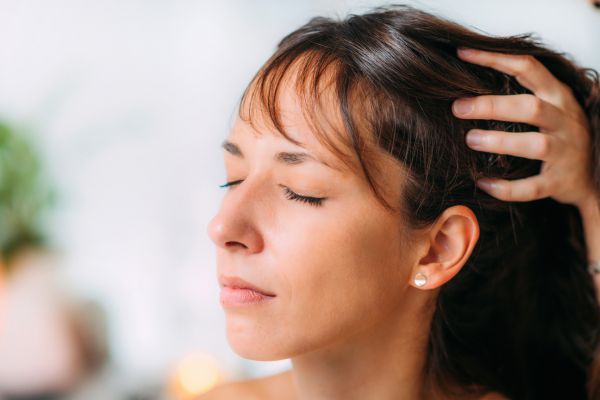
One of the most loved Ayurvedic remedies for hair loss is regular scalp massage, often called “shiro abhyanga.” Warm oil massage helps improve scalp comfort, softens dryness, and may support better circulation around the hair roots. It also has a calming effect, which matters more than people realize because stress is a common trigger for hair shedding.
Coconut oil is traditionally used for cooling and nourishing the scalp. Sesame oil is considered warming and grounding, especially useful when dryness and roughness are present. For people with heat, irritation, or scalp sensitivity, lighter cooling oils may feel better. The oil should be gently warmed, not made hot, and massaged into the scalp with slow circular movements.
A good massage does not need to be aggressive. In fact, rubbing too hard can cause more breakage. Gentle pressure is enough. Leave the oil on for at least an hour, or overnight if your scalp tolerates it well, then wash with a mild cleanser. Doing this once or twice a week can become a quiet ritual, not just a hair treatment.
Bhringraj for Hair Strength
Bhringraj is one of the most famous Ayurvedic herbs for hair. Traditionally, it is called a powerful hair-supporting herb and is often used in oils, powders, and hair masks. It is believed to nourish the scalp, strengthen roots, and support healthier-looking hair over time.
Bhringraj oil can be massaged into the scalp before washing. Some people also use bhringraj powder mixed with water, aloe vera gel, or yogurt to make a hair mask. The paste is applied to the scalp and hair, left for a short time, then rinsed thoroughly.
The key with bhringraj is patience. It is not the type of remedy that shows dramatic results after one use. Its value lies in regular, balanced use as part of a full hair care routine. For people who prefer simple routines, bhringraj oil once a week is often easier than preparing masks.
Amla for Nourishment and Shine
Amla, also known as Indian gooseberry, is deeply respected in Ayurveda. It is rich in natural antioxidants and is traditionally used to support hair strength, scalp health, and natural shine. Amla is also associated with cooling excess heat, which Ayurveda often links with premature hair weakening and thinning.
Amla can be used in different ways. Amla oil may be applied to the scalp before washing. Amla powder can be mixed with water or aloe vera to form a smooth paste. Some people also include amla in their diet, though it should be taken according to personal tolerance and health needs.
For hair, amla is especially useful when the strands look dull, dry, or tired. It may help improve texture and make hair feel fuller, even when regrowth takes time. Like most natural remedies, the effect is gradual and works best when paired with good nutrition and gentle hair habits.
Fenugreek Seeds for Weak Roots
Fenugreek, or methi, is a simple kitchen ingredient with a long place in traditional hair care. The seeds become soft and slippery when soaked, creating a natural paste that can condition the scalp and hair. Many people use fenugreek when hair feels weak, dry, or prone to breakage.
To prepare it, soak fenugreek seeds overnight, grind them into a smooth paste, and apply it to the scalp and hair. Leave it on for around 20 to 30 minutes, then rinse well. The paste can be a little messy, but it leaves the hair feeling soft when washed properly.
Fenugreek may also help with scalp dryness and rough texture. However, it should not be left on too long, especially if it dries hard on the hair. Gentle use is better than overdoing it.
Aloe Vera for a Calm Scalp
A healthy scalp creates a better environment for hair growth. When the scalp feels itchy, dry, oily, or irritated, hair can look weaker even if the roots are still active. Aloe vera is widely used in natural hair care because it feels cooling, soothing, and hydrating.
Fresh aloe vera gel can be applied directly to the scalp, left for 20 to 30 minutes, and then rinsed. It can also be mixed with herbal powders like amla or bhringraj to make a softer hair mask. For people with sensitive scalps, aloe vera is often easier to tolerate than heavier oils.
Still, natural does not always mean suitable for everyone. A patch test is a good idea before applying anything widely to the scalp. If irritation appears, it is better to stop using it.
Herbal Hair Washes Instead of Harsh Cleansers
Many people trying to reduce hair loss focus only on oils and masks but forget about shampoo habits. Harsh washing, frequent heat styling, and strong chemical products can weaken hair strands and increase breakage. Ayurveda often favors gentler cleansing methods that clean without stripping the scalp.
Reetha, shikakai, and amla are traditionally used as herbal cleansers. Shikakai is known for gentle cleansing, reetha for its natural foaming quality, and amla for nourishment. These herbs can be boiled in water, cooled, strained, and used as a hair rinse or wash.
Herbal washing may not feel like regular shampoo at first. It produces less foam and may require adjustment. But for people with dry or fragile hair, gentler cleansing can make a noticeable difference over time. The aim is not to make the scalp squeaky clean, but comfortably clean.
Diet and Digestion Matter More Than People Think
Ayurveda places strong importance on digestion. If the body is not digesting food well, it may not properly nourish the tissues, including those connected with hair. This is why hair loss routines often fail when diet is ignored.
A hair-supportive diet should include enough protein, healthy fats, seasonal fruits, cooked vegetables, nuts, seeds, and iron-rich foods. Warm, freshly prepared meals are often preferred in Ayurveda because they are easier to digest. Excessive fried food, very spicy food, crash dieting, and irregular eating may weaken the body over time.
Hydration also matters. Hair does not grow well when the body is constantly depleted. Drinking enough water, eating mineral-rich foods, and avoiding extreme diets can support both scalp and hair quality.
Managing Stress for Better Hair Health
Stress and hair loss are often connected. Sometimes the shedding appears weeks or months after a stressful period, which makes it harder to notice the link. Ayurveda treats stress as a serious factor in physical health, not just an emotional issue.
Simple daily practices can help. A short walk, slow breathing, oil massage, early sleep, or quiet time away from screens may seem small, but these habits calm the nervous system. Better sleep is especially important because the body repairs and restores itself during rest.
You do not need a perfect wellness routine. Even a realistic one is enough to begin with. Ten calm minutes each day can be more useful than an intense routine that is abandoned after three days.
Gentle Hair Habits That Protect Growth
Natural remedies work better when daily hair habits are not damaging the strands. Tight hairstyles, rough towel drying, frequent straightening, harsh brushing, and pulling wet hair can all worsen breakage. Sometimes what looks like hair loss is actually hair snapping before it reaches length.
Use a wide-tooth comb, detangle gently, and avoid tying hair too tightly. Let hair dry naturally when possible. If you use heat tools, keep them occasional. Also, avoid changing products too often. The scalp usually prefers consistency.
Trimming split ends does not make hair grow from the roots, but it helps prevent breakage from traveling upward. Healthy-looking hair is often the result of both scalp care and strand protection.
Building a Simple Ayurvedic Hair Routine
The best routine is the one you can actually follow. A practical Ayurvedic hair care plan may include oil massage once or twice a week, a gentle herbal mask every two weeks, mild cleansing, nourishing meals, and better sleep habits. It does not need to be complicated.
For example, you might use warm coconut or bhringraj oil on the weekend, apply aloe vera on the scalp midweek if needed, and wash with a gentle cleanser. Add amla or fenugreek occasionally instead of using every remedy at once. Too many treatments can overwhelm the scalp and make it difficult to know what is helping.
Consistency matters more than quantity. Hair grows slowly, so natural support needs time. Most people should think in terms of months, not days.
Conclusion
Ayurvedic remedies for hair loss offer a thoughtful, natural way to care for the scalp, roots, and overall body. They remind us that hair health is not separate from daily life. What we eat, how we sleep, how we handle stress, and how gently we treat our hair all play a role.
Bhringraj, amla, fenugreek, aloe vera, herbal oils, and gentle cleansing can support healthier hair when used with patience and care. But Ayurveda is not about chasing overnight results. It is about creating balance, reducing damage, and giving the body the nourishment it needs to do its work.
Regrowing hair naturally is rarely a quick journey. Still, with steady habits and a calm approach, hair can become stronger, softer, and healthier over time. And sometimes, that slow return to balance is exactly what the body was asking for all along.