
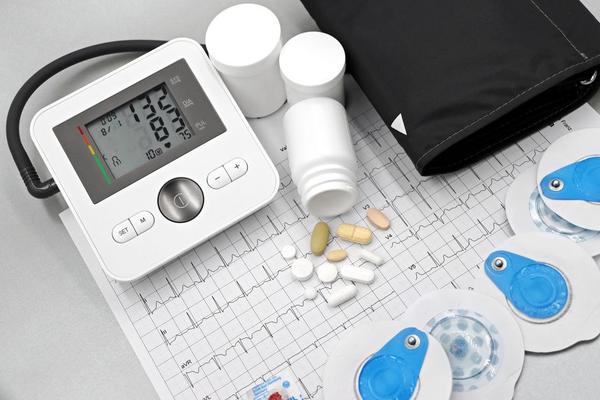
Heart disease can make a kitchen counter look like a small pharmacy. One medicine is taken in the morning, another has special instructions, and a new prescription arrives after a cardiology appointment. Keeping everything straight is hard even when you understand why treatment matters. Heart disease medication management works best when it depends on a simple, repeatable system rather than memory alone.
The goal is not to make prescribing decisions yourself. It is to understand your instructions, follow them consistently, recognize problems, and help your healthcare team spot confusion before it causes harm.
Keep One Accurate Heart Medications List
Start with a single record of what you actually take. Include prescriptions for heart conditions and other health issues, along with over-the-counter products, vitamins, and supplements. The FDA recommends sharing a complete list with healthcare professionals because medicines can interact.
For every item, record the name, strength, prescribed dose, timing, reason for use, and any special directions. Include allergies, your pharmacy’s number, and the date you last reviewed the document. If a brand and generic name differ, ask your pharmacist to explain the label.
Use paper, a phone note, or an app. Accuracy matters more than technology. Keep a copy accessible during appointments and emergencies. With permission, share it with a trusted caregiver who might need to speak for you.
Update the List After Any Treatment Change
Hospital discharge and specialist visits are particularly important checkpoints. A clinician may change a strength, replace a prescription, or temporarily pause a medicine. Compare the new written instructions with the bottles at home. If they conflict, ask the clinician or pharmacist which directions apply rather than guessing.
Date each revised heart medications list and remove obsolete copies. Otherwise, an old printout could become the basis of tomorrow’s routine.
Build a Cardiac Medication Routine Around Real Life
Start by grouping doses according to their prescribed instructions, not convenience alone. Some medicines have particular timing, food, or storage requirements. Ask before moving a dose to suit your schedule.
Choose reminders you will actually notice. A phone alarm can name the medicine and time. A paper chart may work better for someone who dislikes apps. Mark doses only after taking them; otherwise, a tick can create false reassurance.
Imagine arriving home after a heart procedure with a revised morning and evening schedule. Instead of returning to old habits, you review the discharge list with a pharmacist, update your chart, and set labeled alarms. Each completed dose gets checked off. That small reset makes a complicated transition less confusing.
Should You Use a Pill Organizer?
Weekly organizers and pharmacy-prepared blister packs may simplify medication organization, but they are not suitable for every product. Ask a pharmacist whether particular tablets can leave their original packaging. If an organizer is appropriate, fill it in good light using your latest instructions. Never combine unidentified pills or guess what belongs in a compartment.
Store all medicines securely away from children and follow label directions about temperature, moisture, and light. Keep original labels available for checking instructions.
Plan Refills Before Your Supply Runs Low
A good cardiac medication routine includes refill planning. Set a reminder before you expect to run out, allowing time for weekends, stock delays, insurance approvals, and prescriptions requiring renewal. Some pharmacies offer synchronized refills or automatic notifications.
Prescription tracking can be as simple as recording the next refill date beside each medicine. Check supplies regularly rather than assuming an immediate refill will be possible. If cost, transport, or insurance coverage creates a barrier, contact your healthcare team or pharmacist early. Ask about legitimate options instead of stretching doses on your own.
Have a Plan for Missed Doses and Side Effects
Missed doses happen, but the appropriate response depends on the specific medicine and timing. Do not automatically double a dose. Ask your pharmacist or prescriber for written instructions on what to do if you miss each medicine, and keep those instructions with your list.
Likewise, do not stop a heart medicine because you feel better or a home reading improves. The American Heart Association explains that treatment itself may be keeping blood pressure or cholesterol controlled. Discuss side effects or concerns before changing anything.
Write down unusual symptoms, when they started, and whether they followed a treatment change. Tell your care team promptly about possible side effects. Severe chest discomfort, major breathing difficulty, fainting, or stroke symptoms require urgent emergency evaluation rather than a routine callback.
Prepare for Travel and Unexpected Appointments
Travel disrupts familiar cues. Keep necessary medicines in your carry-on when flying, pack sufficient supplies with a reasonable reserve when available, and bring an updated list and pharmacy contact details. Original labeled containers can make instructions easier to verify and may simplify travel checks.
For journeys across time zones, ask a pharmacist or clinician in advance how to handle dose timing. Do not compress doses together to match a new clock. Confirm any special storage requirements and refill arrangements before longer trips.
At home, let a trusted person know where your medication list is stored. This simple preparation can help clinicians get accurate information if you cannot explain your treatment yourself.
Use Every Medication Review to Fix Friction
Bring your list and questions to appointments. Ask what each medicine does, which foods or other products might interact, what monitoring is recommended, how to handle missed doses, and when refills are due. Mention difficulty swallowing, confusing labels, or reminders that do not work.
A pharmacist may suggest easier packaging or tracking methods. If your clinician recommends home measurements, our guide to home blood pressure monitoring can help you organize readings without adjusting medicines independently. Our resources on questions to ask your cardiologist and understanding prescription labels can also make appointments more productive.
Frequently Asked Questions
What is the simplest way to manage several heart medicines?
Keep one current list and use a clear reminder or check-off system. Ask a pharmacist whether a weekly organizer or pharmacy-prepared blister pack is suitable for your prescriptions.
Do non-heart medicines and supplements belong on the list?
Yes. Include prescription and nonprescription products, vitamins, and supplements, even those taken occasionally. Sharing the full picture helps healthcare professionals check for interactions.
What if I cannot remember whether I took a dose?
Do not take an extra dose automatically. Check your tracking record and follow the medicine-specific guidance provided by your pharmacist or prescriber. Ask for clear instructions if you do not have them.
When should I update my medication list?
Update it whenever a prescription or direction changes, especially after discharge, specialist visits, and unexpected changes in the medicine supplied by your pharmacy.
Keep the System Simple Enough to Last
Reliable heart disease medication management depends on clear handoffs: from prescription to list, from list to daily routine, and from changed instructions back to your care team. Start with an accurate record, add a reminder you trust, and ask for help whenever directions are unclear. Small organizational habits can make a demanding treatment plan more manageable.