
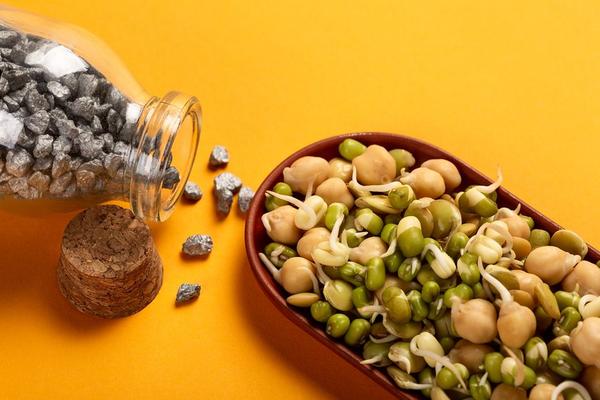
When iron levels are low, choosing iron-rich foods is only part of the solution. What you eat with them can change how much iron your body absorbs. Iron from meat, poultry and seafood is generally absorbed more efficiently than non-heme iron from plants and fortified foods. Vitamin C helps the body absorb non-heme iron more effectively.
Iron deficiency symptoms can include tiredness, weakness, shortness of breath, headaches, paler skin and noticeable heartbeats. Because low iron may result from blood loss, pregnancy, digestive conditions or other causes, food changes should not replace medical assessment if symptoms persist or you have confirmed iron-deficiency anaemia.
15 Iron Deficiency Foods to Eat More Often
1. Lean Beef
Lean beef is a practical source of heme iron, the form the body absorbs relatively well. Pair it with tomatoes, peppers or broccoli to add vitamin C and support absorption of iron from the rest of the meal.
2. Dark-Meat Chicken or Turkey
Chicken and turkey contain heme iron, with darker meat generally providing more than breast meat. Add turkey to a bean-and-pepper salad or serve chicken thighs with broccoli for an iron-focused meal.
3. Sardines
Sardines offer iron alongside protein and omega-3 fats. Canned sardines need no cooking, making them an easy option on toast with chopped tomatoes and lemon.
4. Tuna
Tuna provides some heme iron and works well in sandwiches, salads and grain bowls. Combine it with tomatoes, leafy greens or bell peppers rather than making dairy the main accompaniment.
5. Oysters
Oysters are among the richer seafood sources of iron and also provide vitamin B12 and zinc. People who are pregnant or immunocompromised should choose thoroughly cooked shellfish rather than raw oysters for food-safety reasons.
6. Lentils
Lentils supply non-heme iron, fibre and plant protein. A lentil curry with tomatoes or a salad with red pepper and lemon is a better iron-focused pairing than lentils served with tea.
7. White Beans
White beans are another useful plant source of iron. Add them to soups, salads or tomato-based dishes, ideally alongside vitamin C-rich vegetables to improve non-heme iron absorption.
8. Chickpeas
Chickpeas provide non-heme iron and fit easily into everyday meals. Hummus with red pepper strips or a chickpea salad with tomatoes and lemon combines iron with vitamin C.
9. Tofu
Tofu can contribute meaningful iron to vegetarian and vegan diets, although amounts vary by product. Stir-fry it with broccoli and bell peppers or add it to a tomato-based curry.
10. Spinach
Spinach contains iron, but compounds within it limit how much is absorbed. Keep it in the diet, but pair it with vitamin C-rich foods and include other iron sources rather than relying on spinach alone.
11. Kale
Kale contributes non-heme iron and pairs easily with vitamin C-rich foods. Try it with citrus, strawberries or peppers, or add it to a soup containing beans, lentils or meat.
12. Iron-Fortified Breakfast Cereal
Fortified cereal can provide a useful amount of iron, but levels vary widely, so check the nutrition label. Add strawberries or another vitamin C-rich fruit and have tea or coffee later if iron absorption is a priority.
13. Pumpkin Seeds
Pumpkin seeds contain non-heme iron and work well on salads, oatmeal and grain bowls. Pair them with vitamin C-rich fruit or vegetables as part of a broader iron-rich eating pattern.
14. Cashews
Cashews provide some iron along with unsaturated fats and protein. A small handful with strawberries, kiwi or orange segments makes a simple snack that also supplies vitamin C.
15. Dried Apricots
Dried apricots contribute non-heme iron and are portable, though they are concentrated in natural sugar. Keep portions sensible and pair them with vitamin C-rich fresh fruit.
What to Avoid Pairing With Iron-Rich Meals
Tea and coffee are important foods and drinks to consider when discussing foods that block iron absorption. Their polyphenols can bind iron, particularly non-heme iron. If you are trying to improve iron intake, have tea or coffee between meals rather than alongside your most iron-rich meal.
Calcium can also reduce iron absorption during a meal, although its long-term effect on iron status is more complicated. You do not need to eliminate milk, yoghurt or other calcium-rich foods. If you have diagnosed deficiency, separating large calcium-rich servings from iron-focused meals or iron supplements may be useful when advised by your clinician.
Phytate in whole grains, legumes, nuts and seeds can reduce non-heme iron absorption, yet many of those foods are valuable iron sources. Rather than avoiding them, use soaking, sprouting, fermenting or leavening when practical, and include vitamin C-rich produce at the same meal.
A Simple Iron-Absorption Meal Strategy
Build an iron-focused plate around one iron source and one vitamin C source. For example, make a lentil bowl with tomatoes, red bell pepper and lemon juice, then have coffee later. This approach is more useful than searching for a single “best” food because iron status depends on total intake, absorption and the reason iron is low.
Natural internal-link topics for this section include iron deficiency symptoms, vitamin C foods, and micronutrient deficiency signs.
Frequently Asked Questions
Which vitamin helps the body absorb iron?
Vitamin C improves absorption of non-heme iron. Pair beans, lentils, tofu, leafy greens or fortified cereal with citrus, berries, tomatoes, peppers or broccoli.
Should I stop drinking coffee if I have iron deficiency?
Usually, complete avoidance is unnecessary. Timing matters more: having coffee or tea away from iron-rich meals can reduce their effect on iron absorption.
Can food alone correct iron-deficiency anaemia?
Dietary changes can help, but confirmed iron-deficiency anaemia often needs medical evaluation and may require iron treatment. The underlying cause matters, especially when deficiency is related to bleeding, pregnancy or poor absorption.
Are plant-based iron foods enough for vegetarians?
They can be, but non-heme iron is absorbed less efficiently than heme iron. Regularly include lentils, beans, tofu, fortified cereals, seeds and greens, and pair them with vitamin C-rich foods.
Make the Pairing Work for You
The smartest approach to iron deficiency foods to eat is not simply adding more iron rich foods; it is combining them well. Choose varied iron sources, pair plant iron with vitamin C, and move tea, coffee or large calcium-rich servings away from your most iron-focused meals when appropriate. If symptoms continue or blood tests show deficiency, speak with a healthcare professional so the cause and treatment are addressed properly.