
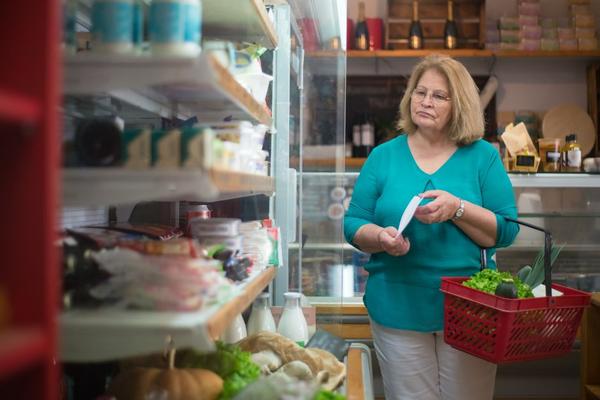
A useful Mediterranean diet grocery list should make shopping faster, not turn the supermarket into a nutrition exam. The easiest approach is to build your cart around vegetables, fruit, whole grains, beans, nuts, seeds and olive oil, then add fish, poultry, eggs and dairy in sensible amounts. There is no single rigid Mediterranean menu, so choose foods that fit your budget, culture and cooking habits.
Use this as a flexible shopping template. Buy ingredients that can work across several meals, and keep shelf-stable staples on hand so a healthy dinner does not depend on another trip to the shop.
How to Build a Mediterranean Diet Shopping List
Instead of buying ingredients for seven completely different recipes, shop for foods you can reuse. Spinach can go into eggs, grain bowls and pasta; chickpeas can become a salad topping, soup ingredient or quick lunch; roasted vegetables can serve as a side one night and a wrap filling the next day.
A practical rule is to cover five areas before checkout: produce, whole grains, plant and seafood proteins, healthy fats, and flavour-building pantry ingredients. If you are new to this eating style, see Mediterranean diet meal plan for beginners for ideas on turning these groceries into complete meals.
Before shopping, check your fridge, freezer and cupboard and circle only the foods you need. Then choose two vegetables, two fruits, one grain, one legume and one main protein that can appear in more than one meal. This simple reset prevents duplicate purchases and keeps the list practical. It also makes room for seasonal bargains without forcing you to redesign the entire week.
Fresh Vegetables and Fruit
Produce should take up a generous share of your trolley. Choose a mixture of fresh, frozen and canned options for both quick-use ingredients and longer-lasting backups.
• Spinach, kale, rocket or romaine
• Tomatoes, cucumbers, peppers, courgettes and aubergines
• Broccoli, cauliflower, cabbage and carrots
• Onions, garlic, celery and mushrooms
• Potatoes and sweet potatoes
• Lemons and limes
• Apples, pears, oranges and grapes
• Berries, fresh or frozen
• Seasonal fruit such as melon, peaches or figs
Seasonality can help control cost. Frozen berries work well for porridge or yogurt, while canned tomatoes and frozen spinach are useful Mediterranean pantry staples rather than second-best substitutes.
Whole Grains and High-Fibre Staples
Whole grains give you an easy base for vegetables and protein. Choose whole-grain versions when practical.
• Rolled or steel-cut oats
• Brown rice
• Quinoa, bulgur, barley or farro
• Whole-wheat couscous
• Whole-grain bread or pita
• Whole-wheat pasta
You do not need every grain. Oats for breakfast, whole-grain bread for lunches and brown rice or bulgur for dinners can cover a versatile week.
Beans, Lentils and Plant Proteins
Beans and lentils are affordable, versatile and easy to keep in the cupboard. Dried legumes are economical, while canned versions save time.
• Chickpeas
• Lentils
• Cannellini or other white beans
• Kidney or black beans
• Split peas
Drain and rinse canned beans before using them. A quick meal can be as simple as chickpeas, cucumber, tomato, parsley, olive oil, lemon and a little feta or plain yogurt.
Fish, Seafood and Other Protein Choices
Fish and seafood fit naturally into Mediterranean-style eating, with poultry and eggs providing additional options. Red and processed meats are generally eaten less often.
• Salmon, trout, sardines, mackerel or tuna
• Cod or other white fish
• Prawns, mussels or other seafood
• Chicken or turkey
• Eggs
• Canned tuna, salmon or sardines
Frozen fish is useful because you can cook only what you need. Keep canned seafood in the pantry for days when meal prep has not gone to plan.
Olive Oil, Nuts, Seeds and Olives
Extra-virgin olive oil is a signature fat in Mediterranean cooking and works for dressings, roasting and many everyday cooking tasks. Nuts and seeds add texture and make snacks more satisfying.
• Extra-virgin olive oil
• Walnuts, almonds, pistachios or hazelnuts
• Sunflower, pumpkin, sesame or chia seeds
• Natural nut butter
• Olives
• Avocados
These foods are nutrient-dense, so portions still matter if you are managing total energy intake. For practical swaps, see healthy fats for everyday cooking.
Dairy and Everyday Extras
Dairy is usually included in moderate amounts. Plain, minimally sweetened choices can work across breakfast, snacks and savoury meals.
• Plain Greek or natural yogurt
• Feta, ricotta or mozzarella
• Small amounts of Parmesan
• Milk or an unsweetened fortified alternative
Also stock flavour builders such as parsley, basil, oregano, rosemary, cumin, paprika, vinegar, tahini, canned tomatoes, capers and lemons. If you monitor sodium, compare labels on olives, cheeses, canned foods, stocks and condiments.
Smart Convenience Foods to Keep on Hand
Mediterranean-style shopping does not require cooking everything from scratch. Useful shortcuts include frozen vegetables, frozen fruit, canned beans, canned fish, hummus, pre-washed salad greens, whole-grain wraps and microwaveable brown rice with simple ingredients. For more ideas, easy Mediterranean meal prep is a natural next step once your pantry is stocked.
A Practical One-Week Starter Basket
If a full healthy grocery list feels overwhelming, begin with spinach, tomatoes, cucumbers, peppers, onions, lemons, apples, berries, oats, whole-grain bread, brown rice, chickpeas, lentils, salmon, eggs, plain yogurt, feta, walnuts and extra-virgin olive oil. Add garlic, oregano and canned tomatoes if they are not already in your cupboard.
That basket can become overnight oats, yogurt with fruit and nuts, chickpea salads, lentil soup, salmon with rice and vegetables, eggs with spinach, and whole-grain toast lunches. The overlap is the point: fewer one-use ingredients, less food waste and more combinations.
What to Buy Less Often
Mediterranean eating is more about what you eat regularly than a strict banned-food list. Give less trolley space to sugary drinks, sweets, heavily processed snacks, refined grains, butter-heavy products, processed meats and frequent large portions of red meat. Alcohol is not required, and people who do not drink should not start for health reasons.
Frequently Asked Questions
What are the most important Mediterranean pantry staples?
Start with extra-virgin olive oil, canned beans, lentils, canned tomatoes, whole grains, nuts, herbs, spices and canned fish. These basics make it much easier to assemble quick meals with fresh produce.
Can I follow a Mediterranean diet on a budget?
Yes. Build meals around beans, lentils, oats, seasonal vegetables, frozen produce and affordable whole grains. Canned sardines or tuna can cost less than fresh fish. Focus on versatile ingredients instead of specialty products marketed as Mediterranean.
Do I need to buy organic food?
No. Organic food is not a requirement. Fresh, frozen and canned produce can all fit. Prioritise variety, minimally processed foods and a Mediterranean diet shopping list you can sustain financially.
Is pasta allowed on a Mediterranean diet?
Yes. Pasta can fit comfortably, especially when you choose whole-grain pasta and serve it with vegetables, beans, seafood, olive oil or tomato-based sauces rather than making refined pasta and heavy sauces the whole meal.
Make the List Work for Your Week
The best Mediterranean diet grocery list is not the longest one; it is the one that turns into meals before the food goes to waste. Choose produce you enjoy, keep dependable pantry staples, rotate your proteins and use olive oil, herbs and citrus to bring meals together. Once those basics become routine, Mediterranean-style shopping feels less like following a diet and more like keeping a well-stocked kitchen.