
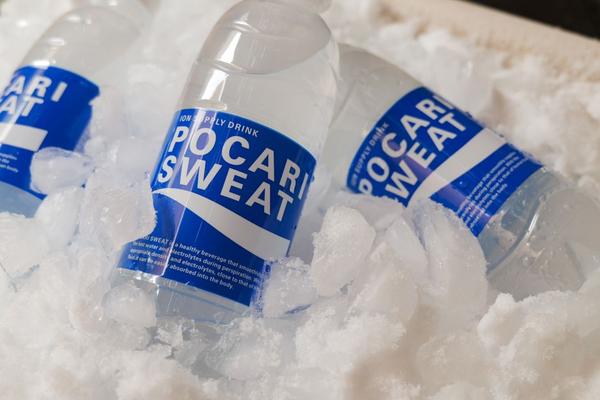
Weight-loss medicines can make hydration easier to overlook. GLP-1 and GIP/GLP-1 medicines such as semaglutide and tirzepatide commonly cause gastrointestinal side effects, including nausea, vomiting, diarrhoea and constipation. When vomiting or diarrhoea is significant, fluid loss can lead to dehydration. Current prescribing information for both Wegovy and Zepbound also warns about acute kidney injury related to volume depletion.
That does not mean everyone taking weight-loss medication needs a daily electrolyte drink. For many people who are eating normally and not losing fluid through vomiting, diarrhoea or heavy sweating, regular water and a balanced diet are enough. The goal is to match fluid and electrolyte intake to what your body is actually losing.
Why Hydration Can Become More Important on GLP-1 Medication
These medicines slow digestion and reduce appetite. Some people therefore eat and drink less simply because they feel full sooner. Nausea can make large drinks unappealing, while vomiting or diarrhoea can remove both water and electrolytes. This combination can leave you feeling tired, headachy, dry-mouthed or light-headed.
Dehydration is especially important to take seriously if you already have kidney disease, take diuretics, are older, exercise in hot weather or have an illness that causes additional fluid loss. Your prescriber may want to monitor kidney function if gastrointestinal side effects are severe.
Do Not Force a Fixed Amount of Water
Generic rules such as “drink eight glasses” or “drink a gallon every day” are not right for everyone. Fluid needs vary with body size, climate, activity, diet, pregnancy, medical conditions and medicines. Water also comes from foods and other drinks.
A practical hydration tip is to drink regularly across the day rather than trying to catch up all at once. If nausea is an issue, small, frequent sips may be easier to tolerate than a large bottle consumed quickly. Keeping a drink visible at your desk, in the car or beside your usual chair can help when reduced appetite changes your normal meal-and-drink routine.
When Electrolytes May Actually Be Useful
Electrolytes include minerals such as sodium and potassium that help regulate fluid balance and normal nerve and muscle function. You lose more of them when you vomit, have diarrhoea or sweat heavily.
If you are well, eating a varied diet and drinking normally, routine electrolyte supplements are usually unnecessary. Electrolyte drinks become more relevant when you are actively losing fluids or struggling to eat. With vomiting or diarrhoea, a pharmacy oral rehydration solution can be more appropriate than simply drinking large amounts of plain water because it is designed to replace fluid along with salts and glucose in useful proportions.
Sports drinks can provide fluid and electrolytes, but many contain substantial sugar. Sugar-free products may suit some people, although the mineral content varies widely. If you have diabetes, kidney disease, heart disease, high blood pressure or have been told to restrict sodium, potassium or fluids, ask your clinician or pharmacist before routinely using electrolyte products.
A Simple Routine for Days When You Feel Well
Start with ordinary drinks you tolerate, especially water. Drink at meals and between meals, and increase fluids when you are exercising, sweating or spending time in hot weather. Soups, milk, yoghurt, fruit and other water-rich foods can also contribute to total fluid intake.
For example, someone who becomes mildly nauseated after a dose increase might keep a small bottle nearby and take several sips every 15 to 20 minutes instead of drinking a full glass at once. If food intake is lower, including a soup, yoghurt or piece of fruit with a small meal can add both fluid and nutrients without requiring a huge drink.
What to Do if Nausea, Vomiting or Diarrhoea Starts
If you feel sick, switch from large drinks to frequent small sips. If vomiting or diarrhoea is causing noticeable fluid loss, an oral rehydration solution may help replace water and electrolytes. Continue to follow the medication instructions you were given and contact your prescriber if symptoms are persistent, severe or worsening.
Do not automatically take extra doses of electrolyte powders, salt tablets or potassium supplements. “More” is not necessarily safer. Too much sodium or potassium can be harmful in some medical conditions, and concentrated products may upset an already sensitive stomach.
Watch for Signs of Dehydration
Common warning signs include increased thirst, dry mouth, darker urine, urinating less often, unusual tiredness and dizziness when standing. A single symptom does not prove dehydration, but a cluster of symptoms after vomiting, diarrhoea or poor fluid intake deserves attention.
Seek prompt medical advice if you cannot keep fluids down, are urinating very little, feel faint or confused, or continue to have signs of dehydration despite drinking. Severe or persistent abdominal pain, repeated vomiting or other concerning symptoms while taking a GLP-1 medicine also need medical assessment rather than simply adding more fluids.
Hydration Is Only One Part of GLP-1 Side Effects Nutrition
Fluids matter, but they should not crowd out nutrition. Large drinks immediately before meals may make early fullness worse for some people. If your appetite is small, spacing drinks between meals can help leave room for protein and nutrient-dense foods.
Related topics worth exploring include managing nausea on GLP-1 medication, protein intake while losing weight, and preventing constipation during weight-loss treatment. These areas often work together: better meal planning can support both nutrition and comfortable hydration.
Frequently Asked Questions
Do I need electrolyte drinks every day on weight-loss medication?
Usually not if you are eating and drinking normally and are not losing extra fluid. Electrolyte drinks or oral rehydration solutions are more useful when vomiting, diarrhoea or heavy sweating increases fluid and salt losses.
Can dehydration make GLP-1 side effects feel worse?
Dehydration can contribute to symptoms such as fatigue, headache, dry mouth and light-headedness. Because nausea, vomiting and diarrhoea can cause fluid loss, staying hydrated is an important part of managing these side effects.
Is plain water enough after vomiting or diarrhoea?
For mild fluid loss, water plus normal food may be enough. With more significant vomiting or diarrhoea, an oral rehydration solution can replace both fluid and electrolytes. Ask a pharmacist or clinician if you are unsure which product is suitable.
When should I contact my prescriber?
Contact your prescriber if gastrointestinal symptoms are persistent or severe, you cannot maintain fluid intake, or you develop signs of dehydration. People with kidney disease or other conditions affecting fluid or electrolyte balance should seek advice earlier.
Build a Hydration Plan You Can Maintain
The best hydration plan while using weight-loss medication is usually simple: drink regularly, use small sips when nausea makes larger amounts difficult, and replace electrolytes when you are genuinely losing them. Do not assume that every GLP-1 user needs a specialised hydration product.
Pay particular attention after starting treatment or increasing a dose, when gastrointestinal symptoms may become more noticeable. If vomiting, diarrhoea or poor intake begins to interfere with hydration, act early and involve your clinician when symptoms are more than mild. Staying hydrated supports day-to-day comfort, but persistent side effects need medical review rather than being managed with electrolyte drinks alone.