
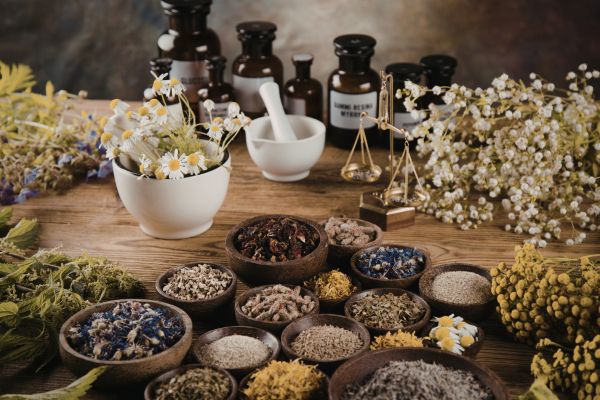
If you’ve ever dealt with anxiety, even the kind that sneaks up on you in the middle of a normal day, you know how draining it can be. It feels like your mind is running on overdrive, your heart isn’t sure what rhythm to pick, and calm… well, calm seems like something from another universe. That’s exactly why so many people are turning toward herbal medicine for anxiety as a gentler, more natural way to find relief. And honestly, it makes sense. Sometimes your body responds better to nature than anything else.
Let’s get into what these herbs can—or can’t—do, how they work, and why a growing number of people swear by them.
Understanding Why Herbal Medicine for Anxiety Is Becoming So Popular
The thing is, anxiety has become pretty common. Between stress from work, social pressure, relationships, finances—you name it—it’s no surprise that many people feel overwhelmed. And while modern medicine absolutely has its place, not everyone wants to rely on pharmaceuticals long term. Some experience side effects. Some want to complement their current routine. Others simply prefer a more holistic path.
This is where herbal medicine for anxiety comes in. Herbs have been used for thousands of years to ease the mind and bring a sense of balance. And even though we’re living in a fast-paced, high-tech world, these natural remedies still hold their ground. Pretty cool, right?
How Herbal Medicine Works to Calm the Mind
Herbal remedies don’t work like flipping a switch. They usually act by gently supporting your nervous system. Some herbs soothe overactive nerves. Others help regulate stress hormones. And some simply create a subtle sense of relaxation that builds up over time.
It’s not magic. It’s more like giving your body the extra support it needs to chill out.
And let’s be real—sometimes that’s all you need. A little nudge back toward calm.
Top Herbs Commonly Used for Anxiety Relief
There are dozens of herbs out there, but a few stand out because of their long history, popularity, or promising research. If you’re thinking of using herbal medicine for anxiety, these are the ones you’ll probably hear about first.
Chamomile: The Classic Soothing Herb
Chamomile is one of those herbs your grandma might have told you about—and she was onto something. Chamomile tea has mild calming effects and can help ease anxiety, especially when taken regularly. It’s gentle, comforting, and honestly feels like a warm hug in a cup.
Some people notice improved sleep when they drink chamomile in the evening, which naturally reduces daytime anxiety. When your body rests better, your mind gets a break too.
Ashwagandha: The Stress-Balancing Powerhouse
If you’ve been on the internet at all, you’ve probably seen Ashwagandha trending everywhere. But it’s not just hype. This ancient Ayurvedic herb helps regulate cortisol, the stress hormone that likes to stay high whenever life gets complicated.
People often say they feel more grounded and less reactive after using it consistently. It doesn’t knock you out or make you drowsy; it just helps your body respond to stress in a healthier way.
Lavender: Calm in Plant Form
Lavender doesn’t just smell good—it genuinely helps calm the nervous system. Whether used as an essential oil, a supplement, or even a tea, lavender promotes relaxation and reduces anxious thoughts.
Ever notice how hotels love using lavender in their spas? There’s a reason. The scent alone triggers a relaxation response in the brain. If you’re someone who feels anxiety physically—tight chest, racing heart—lavender can be surprisingly helpful.
Lemon Balm: The Mood-Lifting Herb
Lemon balm is bright, uplifting, and gentle. People often use it when anxiety is tied to irritability or restlessness. It seems to boost calmness without making you feel slow or tired.
It’s especially great for those moments when your mind won’t stop racing, but you still need to stay functional.
Passionflower: Nature’s Way of Slowing the Racing Mind
Passionflower is one of the best herbs for quieting mental chatter. You know those nights when your brain decides it’s time to think about every embarrassing thing you’ve ever done? Yeah—Passionflower helps with that.
It’s commonly used for insomnia, but it also supports people dealing with generalized anxiety. It helps your mind slow down enough to relax, rest, and reset.
Are Herbal Remedies Enough On Their Own?
Here’s the honest truth: Herbal medicine for anxiety can be incredibly helpful, but it isn’t a cure-all for everyone. Some people find dramatic relief. Others feel mild improvement. Some need a mix of therapy, lifestyle changes, and herbal support to truly feel better.
And that’s okay.
Your body, your brain, and your life situation are unique. What works for someone else might not land the same way for you. Think of herbal remedies as tools in a toolbox—not the entire workshop.
The goal isn’t perfection. It’s progress.
How to Use Herbal Medicine for Anxiety Safely
Even though herbs are natural, they’re still powerful. Always listen to your body. Start slow. And if you’re taking other medications, it’s wise to check in with a healthcare professional so nothing interacts in a weird way.
Most herbs work best when taken consistently rather than just when things feel rough. Kind of like watering a plant—you don’t do it once and expect miracles. You stick with it.
Also, quality matters. Not all supplements are created equally. Look for reputable brands and avoid products that seem too cheap to be real.
Lifestyle Habits That Enhance Herbal Anxiety Relief
You know how herbs give your body the extra support it needs? Well, pairing them with some helpful habits can make everything even more effective.
Good sleep, a balanced diet, regular movement, hydration, breathing exercises—these things aren’t glamorous, but they’re game changers. When combined with herbal medicine for anxiety, the overall results can feel stronger and more stable.
Tiny daily choices can make a big difference.
Listening to Your Body and Knowing What You Need
One of the best things about exploring herbal remedies is that it encourages you to listen to yourself more closely. How do you feel after drinking chamomile tea? Does lavender help your mind settle? Does Ashwagandha make you feel more balanced?
Pay attention. Your body will usually tell you what’s working.
Healing isn’t always quick. Sometimes it’s slow, steady, and built on lots of small improvements stacked together. And that’s completely fine.
Final Thoughts: Finding Calm in a Natural Way
Anxiety isn’t easy. It can be messy, unpredictable, and sometimes overwhelming. But turning to nature for support can make the journey a little gentler. Herbal medicine for anxiety offers a way to reconnect with natural healing and find moments of calm in a very noisy world.
Whether you’re sipping chamomile before bed or taking Ashwagandha to manage daily stress, each herb offers its own kind of comfort. And when you approach the process with patience, curiosity, and self-kindness, these natural remedies can become powerful allies.
At the end of the day, it’s about finding what helps you breathe a little deeper, think a little clearer, and feel a little lighter. Because you deserve that kind of peace.